An 1871 Methodist Church

According to Shelby County Indiana history, following is part of the backstory  of Jollity United Methodist Church: “Back in the gray and misty dawn of the history of Jackson Township, Shelby County, there came two men who settled in what is now known as the Jollity Neighborhood.  These men, William Shipp  and  Burgess Waggoner, brought their families from Kentucky and settled near the Brockman Cemetery.”

The first church was a wooden frame building about a mile from the existing church. The cost of this was around $300.00. It was replaced in 1871 with a new brick church edifice on a new corner of land. The church is on the Shelby/Johnson County line, closer to Franklin than to Shelbyville.

Church Marquee with Holy statue in background

Memorial Flowering Dogwood, planted in April, 1989


Unfortunately a tornado hit the church in 1877. It was repaired, and over the years renovations and building additions were constructed, one with several small Sunday School rooms, a fellowship hall and a kitchen.

Mr. Reasner must have loved horses

Research has determined that the name of the church, Jollity, is most likely named after Frederick Jollity, the man who originally surveyed Johnson County between 1820 and 1830. The church started as a small group of neighbors who came to Indiana in the 1820’s. The National Methodist website lists the current congregation as 18 members, probably close to the original size of the group.
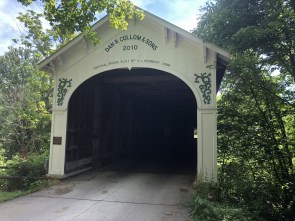


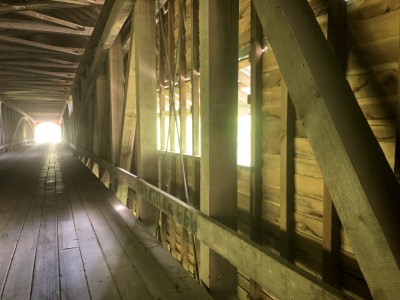
The 1886 Moscow Bridge rebuilt in 2010

In June of 2008 an F3 tornado ripped through the small town of Moscow in Rush County, Indiana. Tragically one life was lost, several homes were destroyed and the 1886 Kennedy covered bridge was ravaged and tossed into the river below. Through the heroic effort of the community, businesses and others, a reconstruction project was begun. Original pieces of the bridge were salvaged. With the balance of new materials, a faithful reproduction of the original E L Kennedy double-span Burr-Arch bridge was rebuilt by the Don Collom and Sons company from Bridgeton, Indiana. It was dedicated in September, 2010.


The Moscow Covered Bridge remains the heart and soul of not only the town, but a valuable part of the history of Rush County as well.

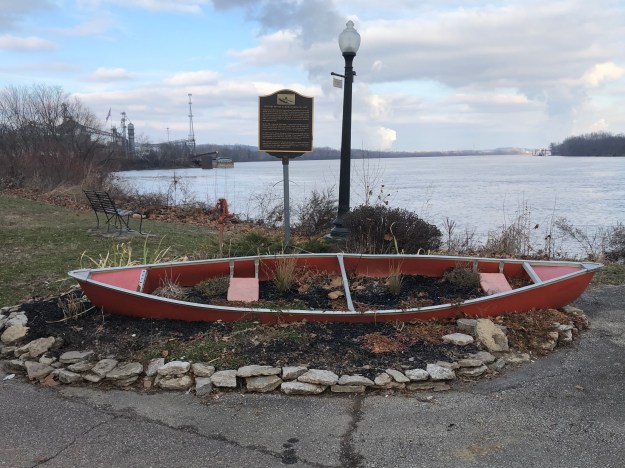
This ferry ran from 1802 to 1978

Aurora, Indiana and Petersburg, Kentucky were connected for nearly two centuries by ferry that transported people, vehicles and goods back and forth across the Ohio River. From the first two horse powered days until the 15 car ferry in service at the end, the Aurora Ferry Company provided uninterrupted service seven days a week.

The history of the ferry

This canoe with the accompanied bronze plaque makes up a memorial marker for a long time icon of the Ohio River. From 1802 to 1978 a ferry ran back and forth across the Ohio. You can see this on the Ohio River Scenic Highway that runs along the river through Aurora, Indiana. The bridge that killed the ferry is out of sight in the background.

James Whitcomb Riley, The Hoosier Poet

“When I see a bird that walks like a duck and swims like a duck and quacks like a duck, I call that bird a duck.” We know you’ve heard that saying before. Did you know that is a quote from James Whitcomb Riley, know as The Hoosier Poet? Riley was born in 1849 in Greenfield, Indiana.  His home is preserved and is open for tours.

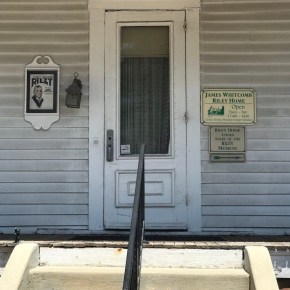
Riley’s birthplace in Greenfield

Front door signage


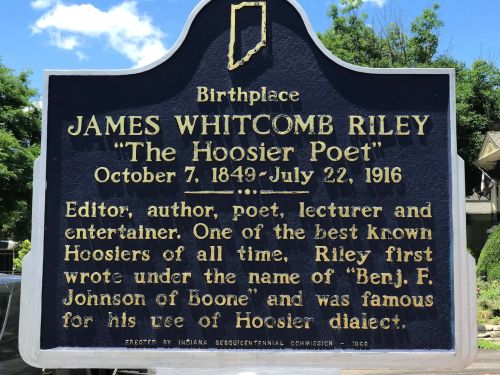
Riley was noted for his down home use of dialect that epitomized rural Indiana. He first wrote under a pen name (farmer Benj. F. Johnson, of Boone) for newspapers in Anderson and Indianapolis. As a boy Riley worked as an assistant to traveling patent-medicine hucksters.

Historic Marker outside the home

Riley is famous for his remarkable volume of poems. He wrote and published over 1000 verses. His most popular are “Little Orphant Annie”, “The Raggedy Man,” “Our Hired Girl,” “A Barefoot Boy,” “The Bumblebee,” “Granny,” and “When the Frost Is on the Punkin.” Many of his poems were aimed at children as well as adults.

Have a seat with Mr. Riley, he might share a poem with you!

Riley’s birthplace and the next door museum provide an most enjoyable attraction in Greenfield. Located on the historic National Road (US 40) the home is east of Indianapolis.


This mill opened in 1821

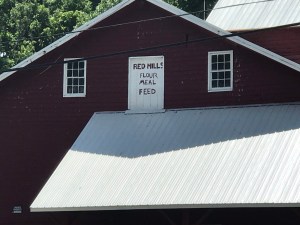
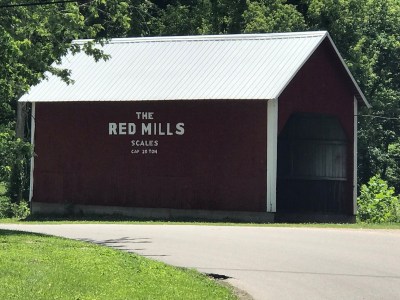
Red Mills was a functioning grist mill from 1821 until the early 1970’s. Located in Shelby County, Indiana, the mill operated on Sugar Creek north of the little town of Boggstown.


For decades the mill had been a magnet to artists who used the mill as the object of countless paintings, both oil and water color. Sher and I had enjoyed lunch at a restaurant in Greenwood, and on the way home decided to take a little drive through the country. The attached photos are the result.

The scale shed received and weighed all of the wagons of grain brought to the mill by the local farmers. Today you can get to Red Mills by exiting on London Road off I-74, (east of Indianapolis) then head south. Soon you will see a brand new bridge on your right. Continue south and about 100 yards later you will make a sharp right hand turn and be at the Red Mills.

Historic Convent in Oldenburg Indiana

On our recent RV day trip Sher and I spent a most enjoyable time viewing an Indiana treasure: The Immaculate Conception Convent, which is the Motherhouse of the Sisters of the Third Order of St. Francis.  The Sisters of St. Francis continue to serve the people of Indiana. Learn details at their Website Here including the fascinating history of the Order.

Motherhouse, right and church, left. Parking lot is for the Holy Family Catholic Church, out of view on left

Chapel and portion of the cemetery for Sisters

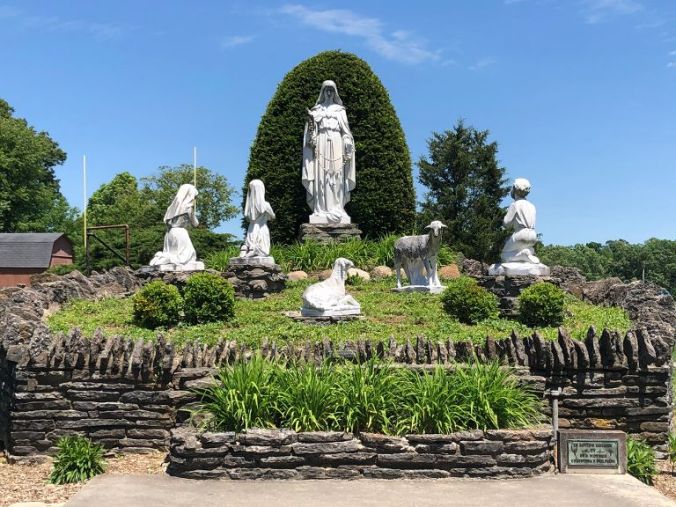
Beautiful Shrine overlooks the cemetery grounds

Not only is there beautiful architecture on the campus but peaceful cemeteries, shrines, a school and a  farm. Oldenburg is known as “The City of Spires” due to the many church spires visible on the skyline of this quaint Indiana town.

Metamora, Indiana shops, mill and Whitewater canal

Metamora is a quaint little historic village located about halfway between Indianapolis and Cincinnati on US Highway 52. In the mid 1800’s it was a thriving town on the then busy Whitewater Canal. Horse drawn barges carried goods, the grist mill ground flour and a railroad serviced the village.

The grist mill

We visited on a Friday afternoon during what they call Christmas Walk. There are quite a few shops and places to eat in the village. It used to be a thriving tourist attraction. However on our visit there were very few people. The folks we saw appeared to be resident shop owners.

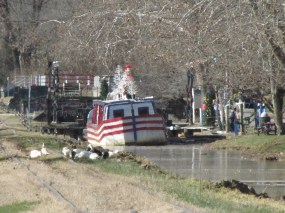
Canal boat grounded until the canal is repaired and full. It does make a good platform for Christmas decor

The canal aqueduct that runs over another creek. This is the only one in existence


The canal usually offers horse drawn boat rides, however there is some kind of construction underway and the canal is about empty. There will be no boat rides until sometime in 2018.

Visit Crown Hill Cemetery in Indianapolis

Infamous bank robber John Dillinger's family marker

Infamous bank robber John Dillinger’s family marker

Crown Hill Cemetery is on the near Northwest side of Indianapolis. It was first created as a cemetery during the Civil War, and eventually two different National Cemetery areas were established. The grounds are beautiful and host many visitors all year long.

The facility is listed on the National Register of Historic Places. It is the burial site of a President (Benjamin Harrison) and a notorious bank robber (John Dillinger). Other notable burials include poet James Whitcomb Riley, Col. Eli Lilly, three U.S Vice Presidents, 14 U. S. Senators and 11 Indiana Governors. The cemetery grounds are noted for the beauty and solitude that offer visitors a place to run, walk, bike or even have a picnic.

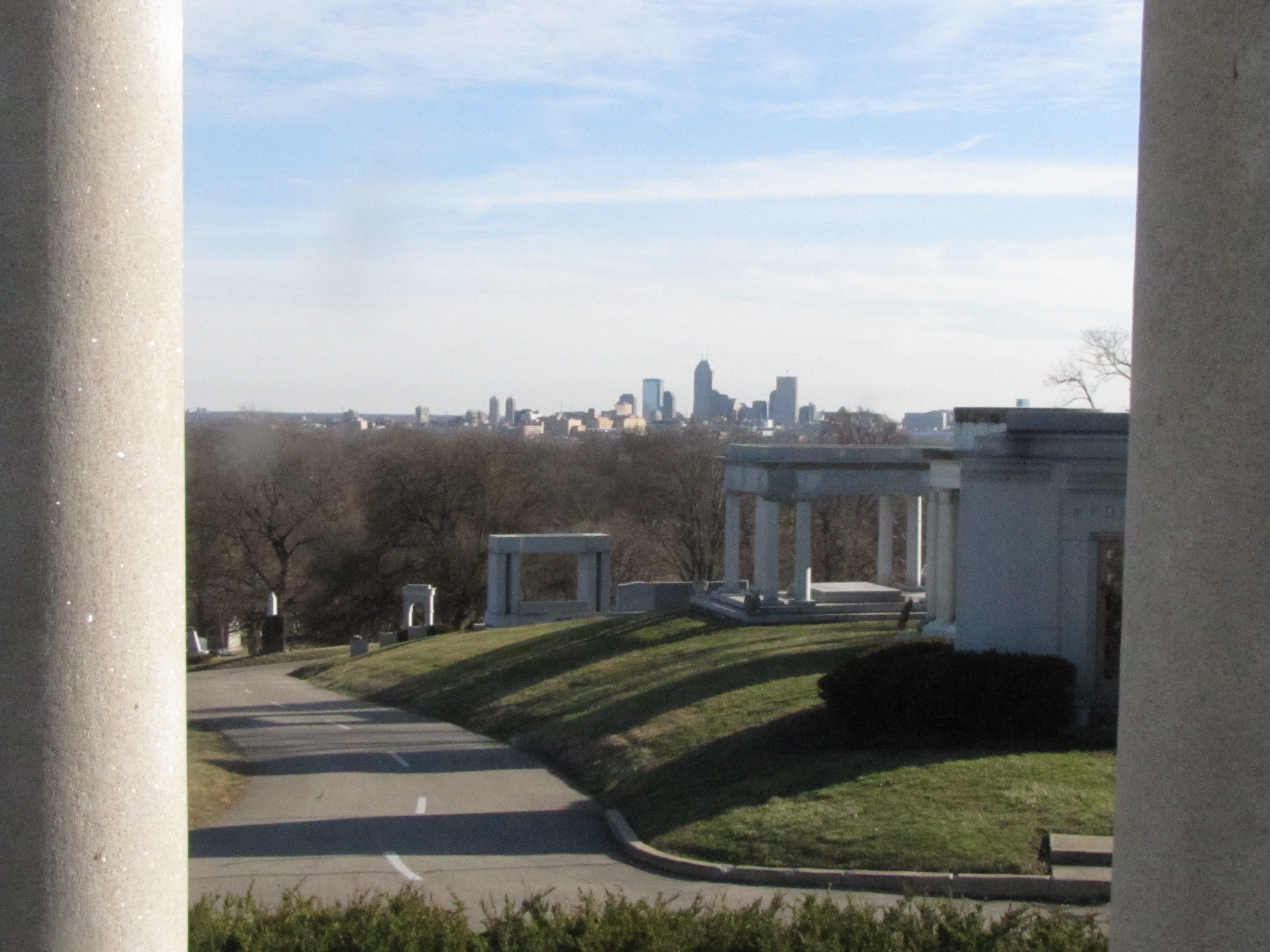
View from James Whitcomb Riley's grave: Indy skyline

View from James Whitcomb Riley’s grave: Indy skyline

National Cemetery, Union Soldiers

National Cemetery, Union Soldiers

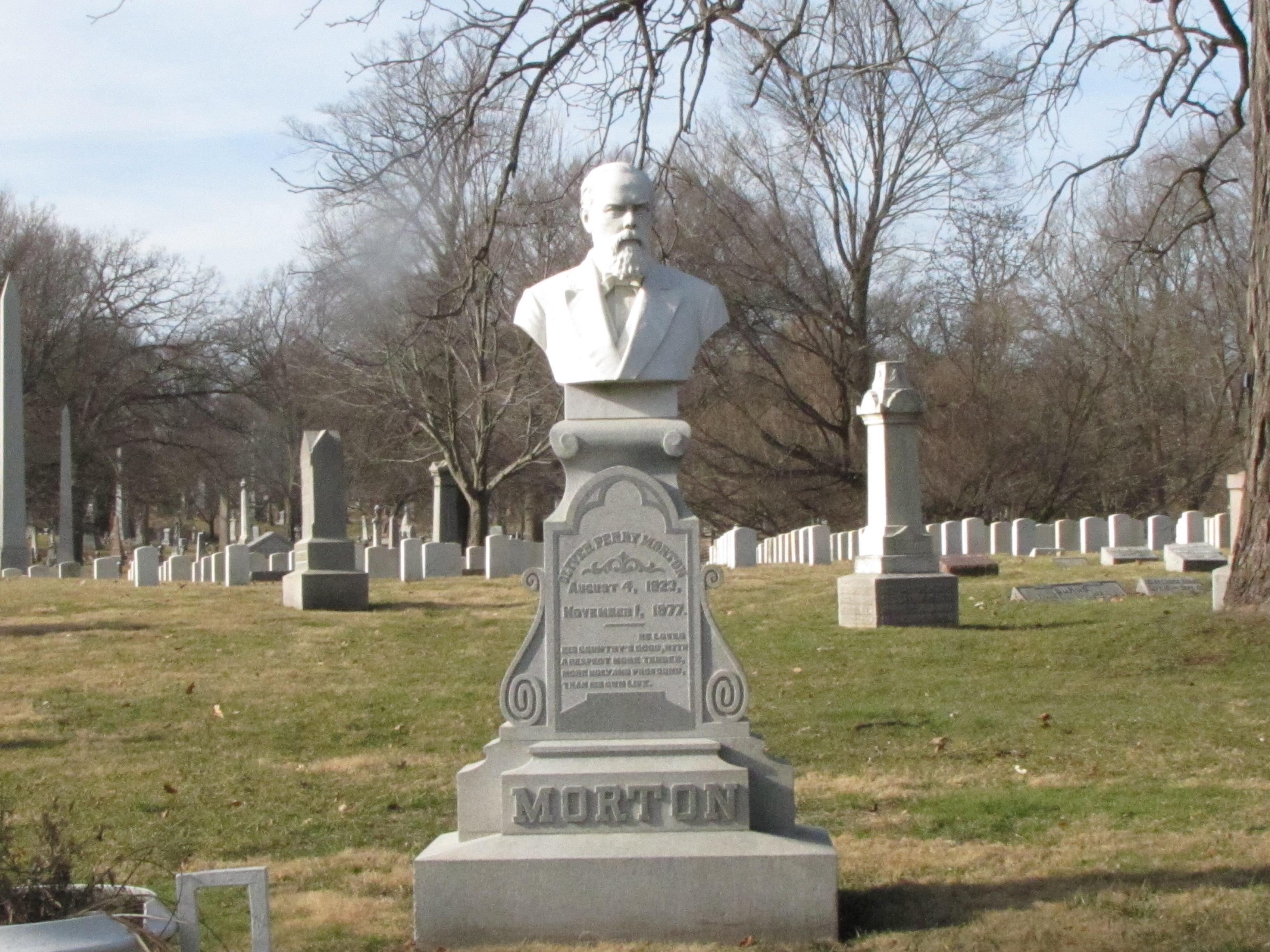
Oliver Morton, Indiana Governor during the Civil War

Oliver Morton, Indiana Governor during the Civil War

The Gothic Chapel

The Gothic Chapel

The remains of the historic Starr Piano and Gennett Recording studio

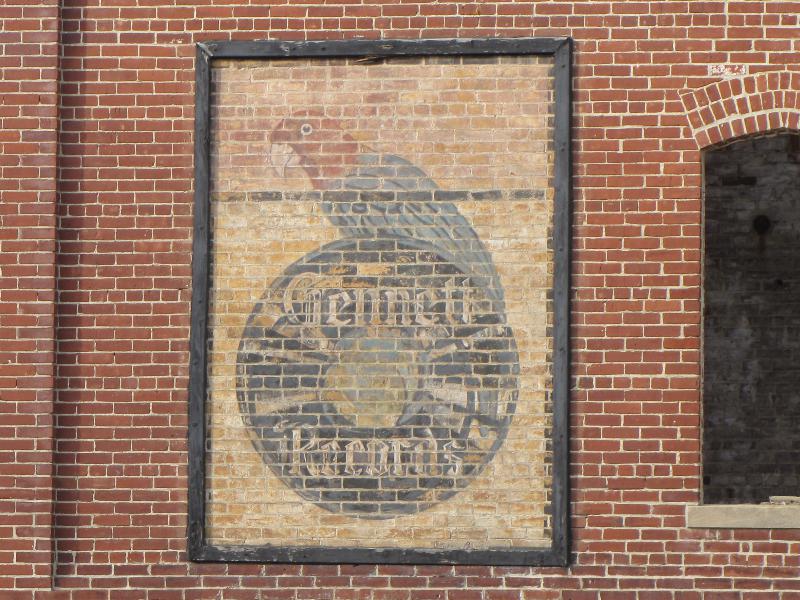
The origianl Genett Parrot logo still seen on the wall of the remaining brick building

The origianl Genett Parrot logo still seen on the wall of the remaining brick building

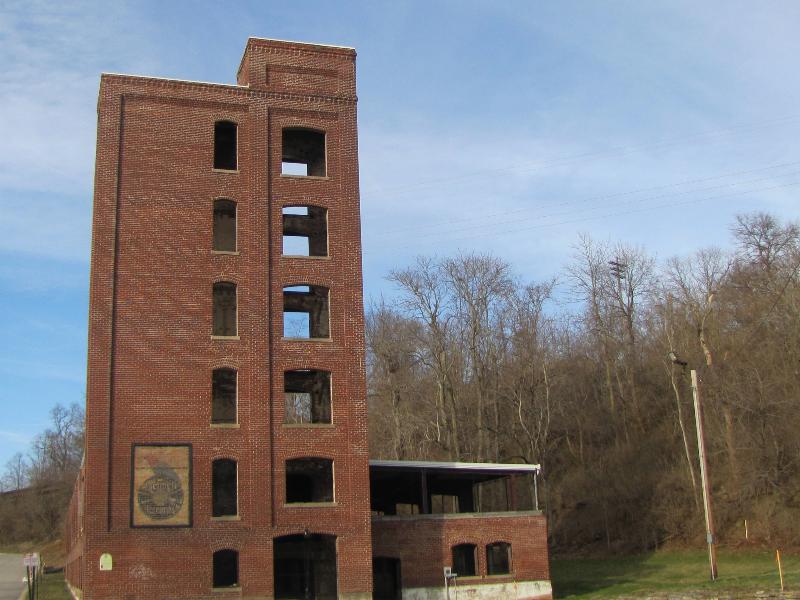
Richmond Indiana is a very history filled town on the Ohio-Indiana border in the central part of the state. Both I-70 and Historic US 40 run through Richmond. One of the historic sites in Richmond is the remains of the old Starr Piano manufacturing plants and the Genett Recording studios.

Starr made high end pianos beginning in the 1870’s. The remaining Starr pianos are highly sought after by collectors and musicins alike. The Gennett recordng Studos were in business from 1920 to 1934. The records were made in a primitive concrete and brick building with little acoustical features.

Legend says that an Oriental rug from the Gennett mansion was used as a wall hanging to deaden the echo sounds during the recording sessions.

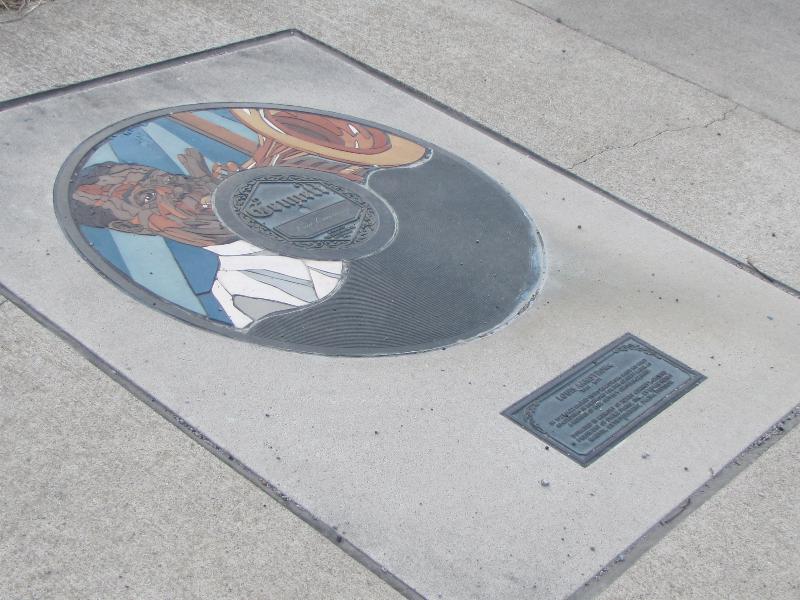
Louis Armstrong honored on the sidewalk next to the remains of the old recording studio. There are many musicians so honored.

Louis Armstrong honored on the sidewalk next to the remains of the old recording studio. There are many musicians so honored.

Many famous musicians of the times got their first recordings made at Gennett. Hoagy Carmicheal’s big band recorded there. Louis Armstrong got his start in the Gennett studio. The studio was known as the first one to record jazz, blues, country and gospel genres. The Great Depression signaled the end of Genett Records as it did many other record companies of the times.

The remaining portion of the brick factory now has a modern steel structure and metal roof system. Ths building is used for concerts and other civic events.

When in Richmond be sure to seek out the old Starr Piano buliding. You just might hear echos of music from the past. Read more at the Starr Gennett Foundation website.

The remaining structure from what used to be a huge manufacturing complex on the White River in Richmond.

The remaining structure from what used to be a huge manufacturing complex on the White River in Richmond.

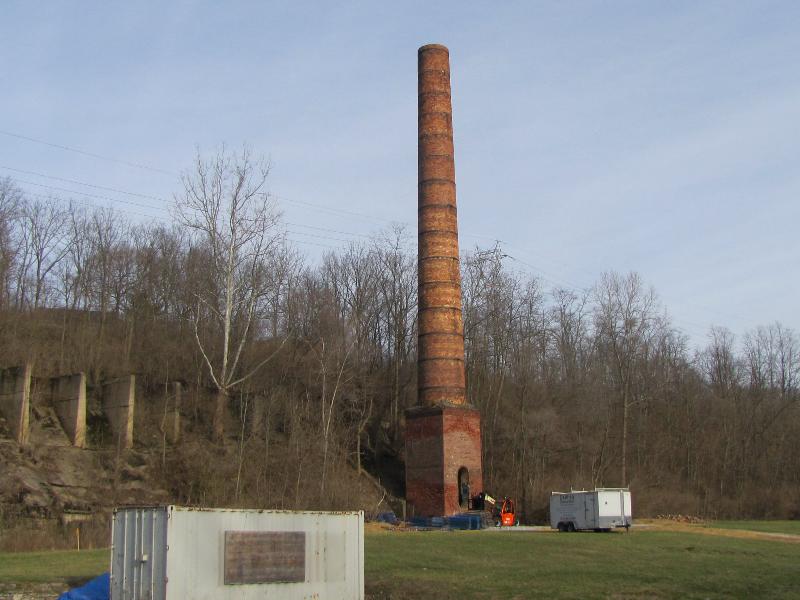
The remaining smoke stack from the Starr Piano factory.

The remaining smoke stack from the Starr Piano factory.

A different perspective of the old factory

A different perspective of the old factory