Very informative.

Let me start this post with a disclaimer – I am a newbie to avalanche terrain and only have level 1 training. I am not a reliable resource for avalanche safety. I decided to write this post anyways because I think a lot of people go out into the backcountry in the winter without understanding the risk. I went snowshoeing and camping for 3 years and told myself I was safe because I “checked the forecast” and only went on popular or “safe” trails. I was pretty conservative, but in retrospect, I didn’t actually know how to read the avalanche bulletins and I was unknowingly venturing into avalanche terrain. Without taking a course, I feel it’s hard to get the proper education on identifying avalanche terrain and my main goal with this post is to convince you to take the AST1 course. If your internal reasoning sounds anything like mine…
View original post 1,306 more words


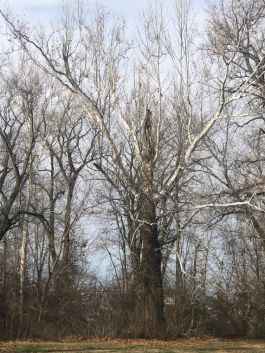

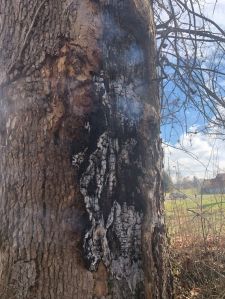
 Well, a few minutes later here came one of the city’s large aerial ladder trucks. Two firefighters got out of the truck, one with a water extinguisher and went to our smoking tree. Long story short, they determined that the tree was hollow, and the “blaze” no doubt started by homeless people. Two other trees in this park had also had evidence of a fire started at the base.
 In the early 1870’s in the then small town of Greensburg, Indiana, some citizens noticed some odd greenery on the roof of the Decatur County Courthouse Tower. As the years went on, the green tree seemed to thrive as it grew. Local officials began to be concerned that the tree could cause structural damage to the apex roof of the tower. Legend says that in 1888 a steeplejack was hired to “trim the tree”. He was said to have found not one, but two individual Large Tooth Aspen trees growing quite nicely on the roof.





 Roadtirement