Mill Race Park in Columbus Indiana

Mill Race Park is situated where the Flat Rock and the Driftwood rivers join together on the west side of Columbus. The 35 acre park is an extremely popular place to walk, picnic, attend concerts, climb the tall observation tower or just simply enjoy a bit of Nature.

The bottom of the bridge is in the background

Duck enjoying the reflecting pond


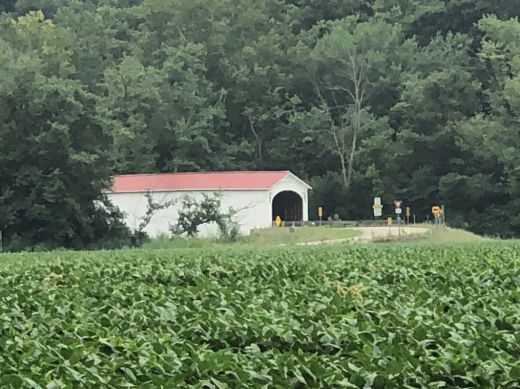
Among the attractions at the park are a large reflecting pond ringed by sidewalks and benches. One side of the pond features the historic covered bridge. Columbus is known for its public art displays, and several are located in the park. One recent addition to the park landscape is a set of tall, wooden poles topped with bat nesting boxes. The poles are set in rock cairns for shelter of amphibians and reptiles.

Each provides shelter for bats, birds, amphibians and reptiles

The lovely pond, suitable for leisurely walks or resting

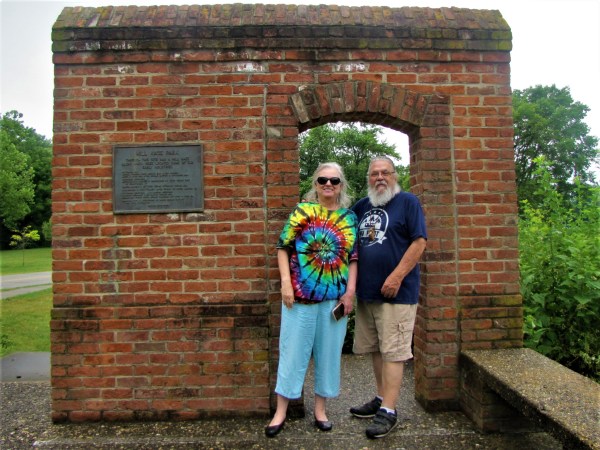
The brick “monument” with bronze info plaque (yes, that’s us)

The brick “monument” complete with an arch and flanked by a bronze information plaque is a highly visible structure. The plaque describes the mill race that ran through acreage. It also listed the many industries along the old mill race, including mills and brickyards. The Mill Race Park in Columbus is a delightful place. It is worth your visit.


A visit from a Turkey Vulture

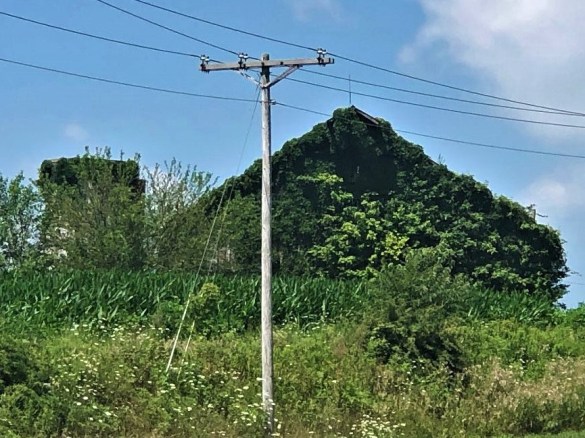
Our eagle eyed son shouted “Dad, come here, there’s a big bird on the top of the pole!” He was so right. A Turkey Vulture had in fact landed on the very tall utility pole in the yard next door.

That is a six foot wingspan! This big bird only weighs 3-4 pounds.

The Turkey Vulture eats carrion and plays a large role in cleaning up the ecosystem. It can soar for hours, riding the thermals in the sky. (Here is a video link of ours with soaring vultures) It was raining today, and this vulture was spreading his wings to dry and shaking off moisture as well. Vultures also spread their wings first thing in the mornings to warm up and energize for the day. We seem to have a wonderful perch, and this is the first time we have seen a vulture land here.

His name is Bongo

We saw this large and beautiful blue-and-gold macaw enjoying “riding” around at our recent Highway 40 Yard Sale. Owner told us that the bird’s name is Bongo, and he doesn’t say much. Bongo is twenty years old, and can live to be at least 80. Thus the owner said that he has provisions in his will to take care of Bongo, as the bird will most likely out live him.

Another fledgling robin

Mom with a morsel for junior

Close up of the youngster

The Free Dictionary lists the first definition of fledgling as “A young bird that has left the nest and has usually acquired flight feathers, but is often not yet able to fly.” That’s a pretty accurate description of this young robin. It would run across the yard, chirping all the way with a feeble attempt to flap its wings. Hopefully this little one will survive until it can fly. This fledgling may be the same robin from this post.


Views around our yard

Wild strawberries

Water drops and fungus

Morning glories

Morning glory vines on mint

Wild strawberries, sage, and a Canadian rock

The last photo shows a rock labeled “Canadian”. We did not get it from a trip to Canada, rather it ended up in Central Indiana by means of widespread glaciation during the Pleistocene epoch. This piece is a metamorphic rock made of granitic minerals. There are thousands of such rocks of all sizes that were pushed here by the glaciers, and left here when the glaciers melted. This one now has a home in our flower and herb garden.


Tomatoes and onions on the way

Our tomatoes are coming along

An early step in tomato growth

The first one to show up

This one is catching up

One of three sprouts we got from one onion

We had an onion that sprouted in a sack with some others. We went ahead and split it and planted three separate sprouts. We’ll see how this goes. We’ve read that when the green shoots begin to dry out and turn brown, or if the onion starts to flower, it is time to “harvest”. We’ll let you know in about three months or so…