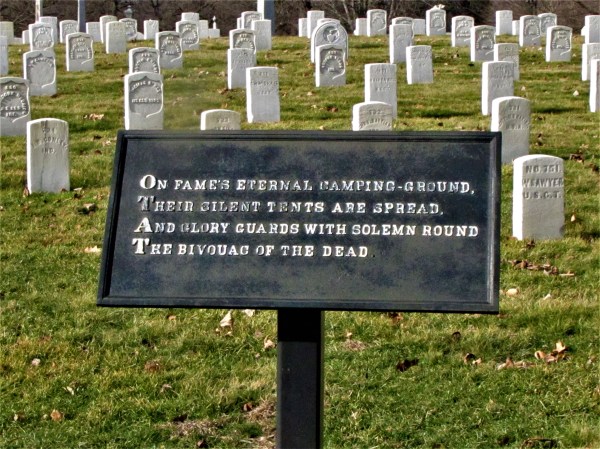
O’Hara’s quatrain posted at one of two National Cemeteries in Crown Hill Cemetery, Indianapolis
Theodore O’Hara (1820 – 1867) was a poet, lawyer, soldier and adventurer from Kentucky. He penned a haunting poem honoring the dead from Kentucky killed in the Mexican War of 1847. At the end of the Civil War it became a memorial to Confederate dead, however the second quatrain of the first stanza has become an honor to any soldier killed in battle. That quatrain can be found in cemeteries across the nation and even the gateway to Arlington National Cemetery bears an inscription from O’Hara’s most noted poem.
Following is the complete poem, 12 stanzas with two quatrains per stanza. It is worth a complete read.
“BIVOUAC OF THE DEAD”
The muffled drum’s sad roll has beat
The soldier’s last tattoo;
No more on life’s parade shall meet
That brave and fallen few.
On Fame’s eternal camping-ground
Their silent tents are spread,
And Glory guards, with solemn round,
The bivouac of the dead.
No rumor of the foe’s advance
Now swells upon the wind;
Nor troubled thought at midnight haunts
Of loved ones left behind;
No vision of the morrow’s strife
The warrior’s dream alarms;
No braying horn nor screaming fife
At dawn shall call to arms.
Their shriveled swords are red with rust,
Their plumed heads are bowed,
Their haughty banner, trailed in dust,
Is now their martial shroud.
And plenteous funeral tears have washed
The red stains from each brow,
And the proud forms, by battle gashed
Are free from anguish now.
The neighing troop, the flashing blade,
The bugle’s stirring blast,
The charge, the dreadful cannonade,
The din and shout, are past;
Nor war’s wild note nor glory’s peal
Shall thrill with fierce delight
Those breasts that nevermore may feel
The rapture of the fight.
Like the fierce northern hurricane
That sweeps the great plateau,
Flushed with the triumph yet to gain,
Came down the serried foe,
Who heard the thunder of the fray
Break o’er the field beneath,
Knew well the watchword of that day
Was “Victory or death!”
Long had the doubtful conflict raged
O’er all that stricken plain,
For never fiercer fight had waged
The vengeful blood of Spain;
And still the storm of battle blew,
Still swelled the gory tide;
Not long, our stout old chieftain knew,
Such odds his strength could bide.
Twas in that hour his stern command
Called to a martyr’s grave
The flower of his beloved land,
The nation’s flag to save.
By rivers of their father’s gore
His first-born laurels grew,
And well he deemed the sons would pour
Their lives for glory too.
For many a mother’s breath has swept
O’er Angostura’s plain —
And long the pitying sky has wept
Above its moldered slain.
The raven’s scream, or eagle’s flight,
Or shepherd’s pensive lay,
Alone awakes each sullen height
That frowned o’er that dread fray.
Sons of the Dark and Bloody Ground
Ye must not slumber there,
Where stranger steps and tongues resound
Along the heedless air.
Your own proud land’s heroic soil
Shall be your fitter grave;
She claims from war his richest spoil —
The ashes of her brave.
Thus ‘neath their parent turf they rest,
Far from the gory field,
Borne to a Spartan mother’s breast
On many a bloody shield;
The sunshine of their native sky
Smiles sadly on them here,
And kindred eyes and hearts watch by
The heroes sepulcher.
Rest on embalmed and sainted dead!
Dear as the blood ye gave;
No impious footstep shall here tread
The herbage of your grave;
Nor shall your glory be forgot
While fame her records keeps,
Or Honor points the hallowed spot
Where Valor proudly sleeps.
Yon marble minstrel’s voiceless stone
In deathless song shall tell,
When many a vanquished ago has flown,
The story how ye fell;
Nor wreck, nor change, nor winter’s blight,
Nor Time’s remorseless doom,
Shall dim one ray of glory’s light
That gilds your deathless tomb.
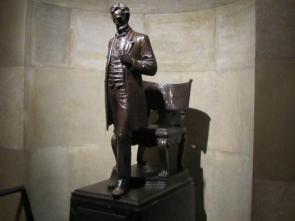
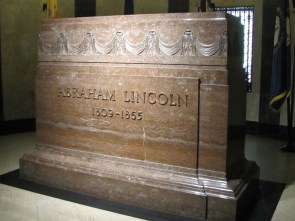
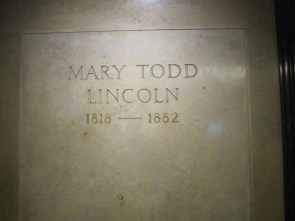
 Lincoln’s tomb is in the huge Oak Ridge Cemetery in Springfield, Illinois. This is a State historic site, not a National property. The impressive structure is on top of a hill in roughly the center of the cemetery grounds.



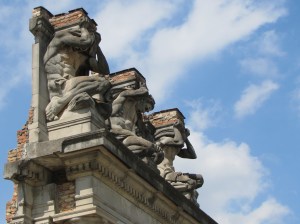 Holliday Park is a city park located in the near north-side of Indianapolis in one of the more higher end neighborhoods. The park is a beautiful setting with hundreds of trees, flowers and wildlife. In addition to the natural features of this inner city recreation site you will find an eclectic display affectionately tagged “The Ruins”.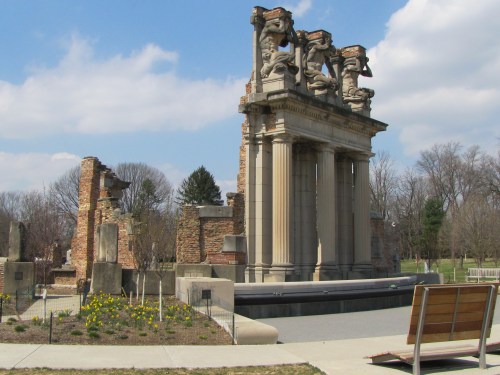






 Bronze statue portraying the 1870 boxing contest
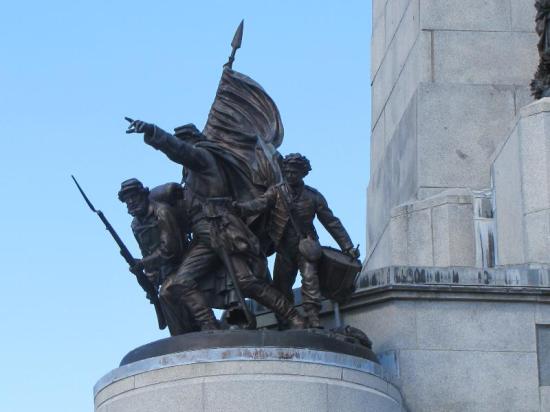
  At the center of Monument Circle, the Soldiers and Sailor’s Monument honoring the troops of the Civil War
 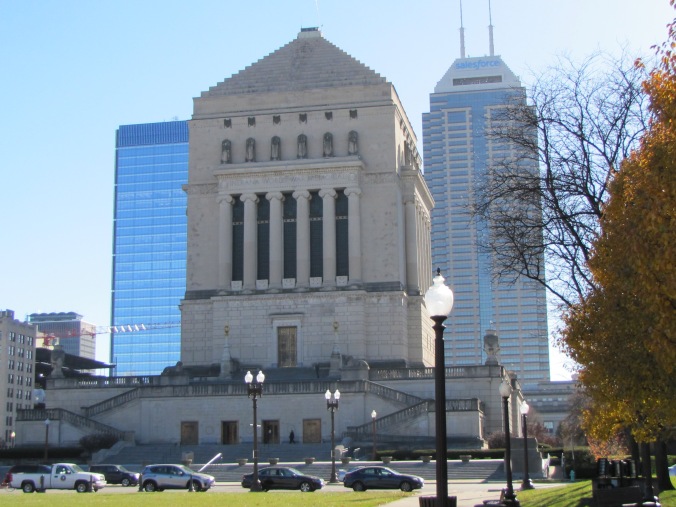 The Indiana War Memorial honors Hoosiers killed during WWI. It also contains a free museum and records of Indiana servicemen from WWI to the present.
 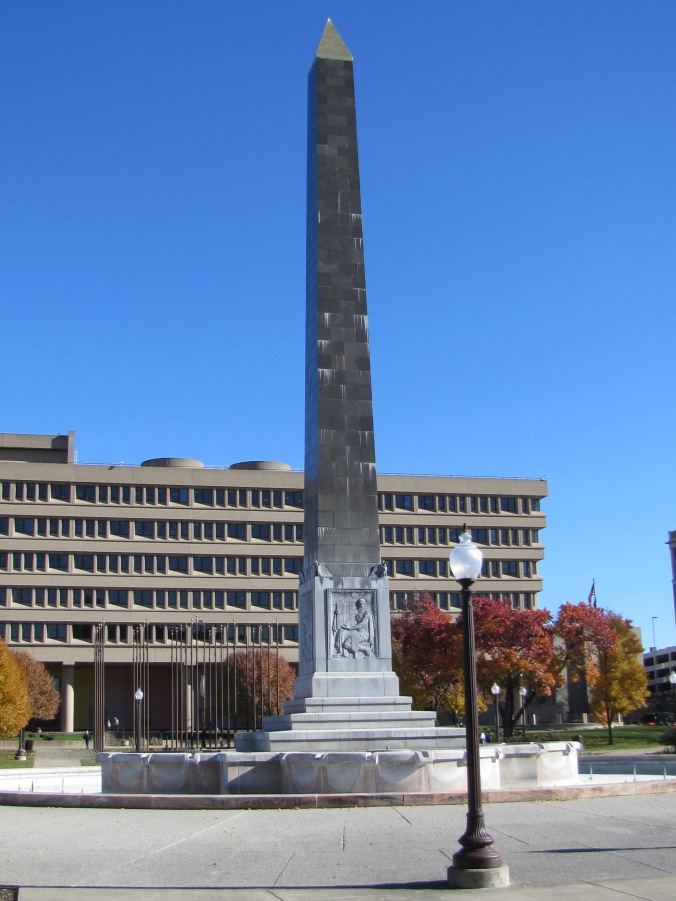 The Obelisk in Veterans Memorial Plaza is centrally located in the 7 block war memorial district listed in the National Register…
 Roadtirement