
The chives have bloomed!

Thought the peony was gone, but no!

Hummingbird silhouette looks on

Another rose on the way

Rose has an unknown loiterer, it seems
The chives have bloomed!
Thought the peony was gone, but no!
Hummingbird silhouette looks on
Another rose on the way
Rose has an unknown loiterer, it seems
Some people are afraid of them, most state how ugly they are, many shudder when they think of what turkey vultures eat. Turkey vultures are, regardless of their reputation, wonderful birds that play a very important role in the ecosystem. They consume any dead animal carcasses they find, thus removing any rotting carcasses.

Warming up or drying out
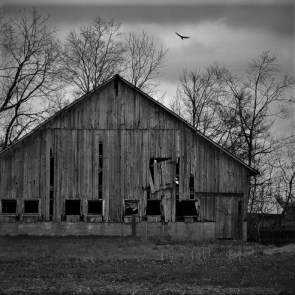
What some think about the Turkey Vulture
Turkey vultures tend to roost at night in large groups. Their body temperatures lower overnight, and the next morning these large birds often spread their wings wide and hold them spread out. This behavior allows them to raise their temperatures. This behavior also is thought to dry wings.
Some more fun facts about Turkey Vultures
And finally, a group of Turkey Vultures roosting is called a “committee”. When they are soaring in the air on thermals they are a “kettle” and when eating they are a “wake”.
Here are a couple of videos we took and some facts about these eye catching forest birds. Pileated Woodpeckers are crow-sized birds (16 – 19 inches long) with a flame-red crest on top of their head. Their wingspan can be up to 30 inches.
The Pileated Woodpecker’s primary food is carpenter ants, along with other ants, woodboring beetle larvae, termites, and other insects such as flies, spruce budworm, caterpillars, cockroaches, and grasshoppers.
Pileated Woodpeckers stay with the same mate for life. Pairs claim forest territories up to 150 acres or larger. They loudly drum on trees with their beaks all year long to announce the boundaries of their territories.
Southwestway Park is a 587-acre park in the southwest part of Indy, outside the I-465 loop on Mann Road. There is a long trail system that includes hiking, mountain biking, running and horseback riding. There are baseball diamonds, soccer fields and other recreational sports available here, along with the Winding River Golf Course.

Yes, horses allowed

Beautiful trails

Trail Head information board with trail maps
Discover White River Rewards Pass is a delightful program that allows you to explore 37 different parks along White River in central Indiana. Southwestway Park is one of 37 Indy parks belonging to the Rewards Pass. The Discover White River Pass offers exclusive real-world rewards like stickers, shirts, and on-water experiences by visiting dozens of parks and attractions.
The brightly colored Baltimore Oriole received its name from the resemblance of the male’s colors to those on the coat-of-arms of 17th-century Lord Baltimore.

We saw this Baltimore Orioles in our backyard enjoying nectar
The Baltimore Orioles’ diet is mainly insects, berries, nectar as well as sugar water. In summer it feeds mostly on insects, especially caterpillars. It also eats beetles, grasshoppers, wasps, bugs plus spiders and snails. Orioles also eat berries and sometimes cultivated fruit.

April’s full moon namesake in our garden
The Old Farmer’s Almanac calls the April 24th full moon “The Pink Moon”. This name has nothing to do with the color of the moon. It won’t be pink, but instead it will appear as the usual normal bright white moon. The name instead comes from the bloom of the ground phlox, a pink flower common in North America that blooms in mid to late April.

March 28th

It is now two weeks later, April 11th
Soon there will be thousands of whirligigs on the ground, and, yes, filling the gutters and downspouts. Spring is here in Indiana.

On the town square

Announcing the eclipse

Downtown store front decorations

Statewide excitement about the eclipse
Shelbyville is directly in the perfect viewing path of the eclipse. Hopefully the skies will be clear on April 8th. If not, you will have to wait until 2044 for the next eclipse viewing!

 Roadtirement