Some people are afraid of them, most state how ugly they are, many shudder when they think of what turkey vultures eat. Turkey vultures are, regardless of their reputation, wonderful birds that play a very important role in the ecosystem. They consume any dead animal carcasses they find, thus removing any rotting carcasses.

Warming up or drying out
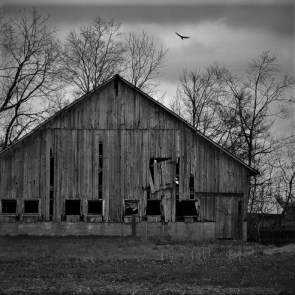
What some think about the Turkey Vulture
Turkey vultures tend to roost at night in large groups. Their body temperatures lower overnight, and the next morning these large birds often spread their wings wide and hold them spread out. This behavior allows them to raise their temperatures. This behavior also is thought to dry wings.
Some more fun facts about Turkey Vultures
- They can soar for hours at a time, rarely flapping wings
- They clean up the carcasses of dead animals, keeping diseases down
- Wing spans reach up to six feet
- They stick their heads in carcasses, so no head feathers
- Buzzard is not the correct name for turkey vultures
- They DO NOT kill dogs, cats, or children
And finally, a group of Turkey Vultures roosting is called a “committee”. When they are soaring in the air on thermals they are a “kettle” and when eating they are a “wake”.
 Roadtirement