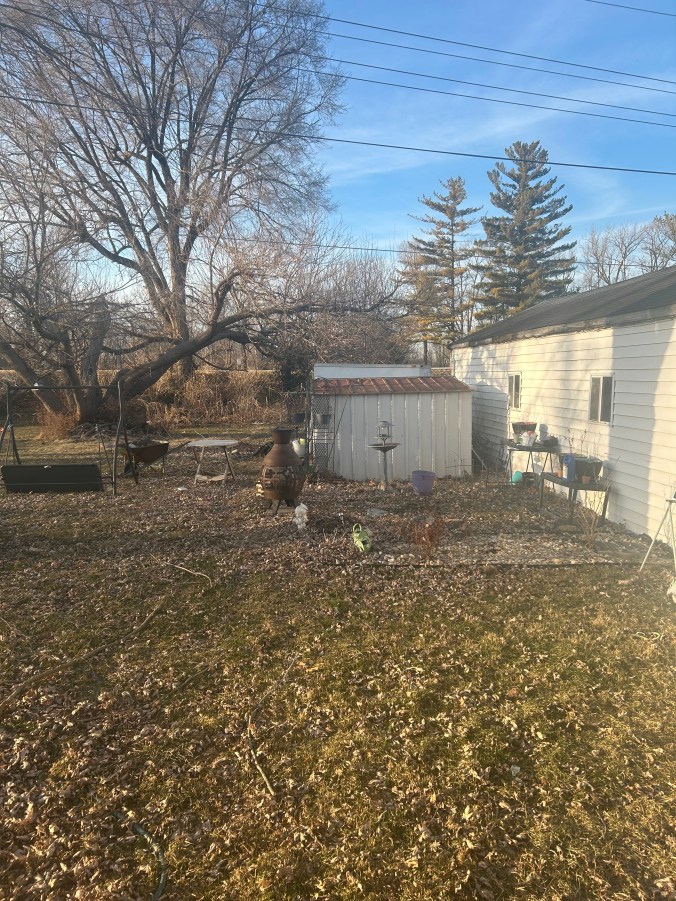
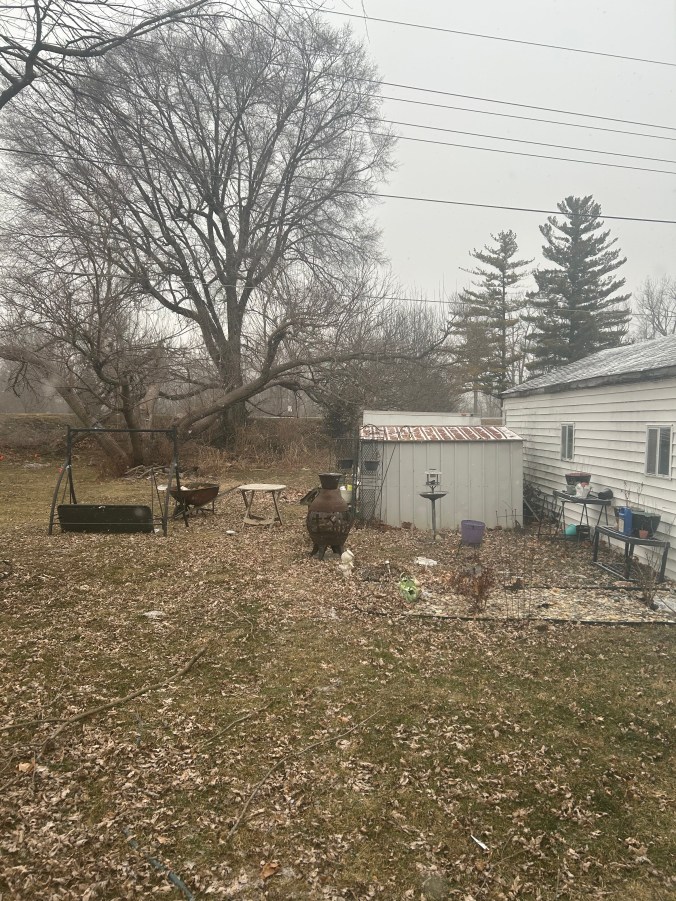
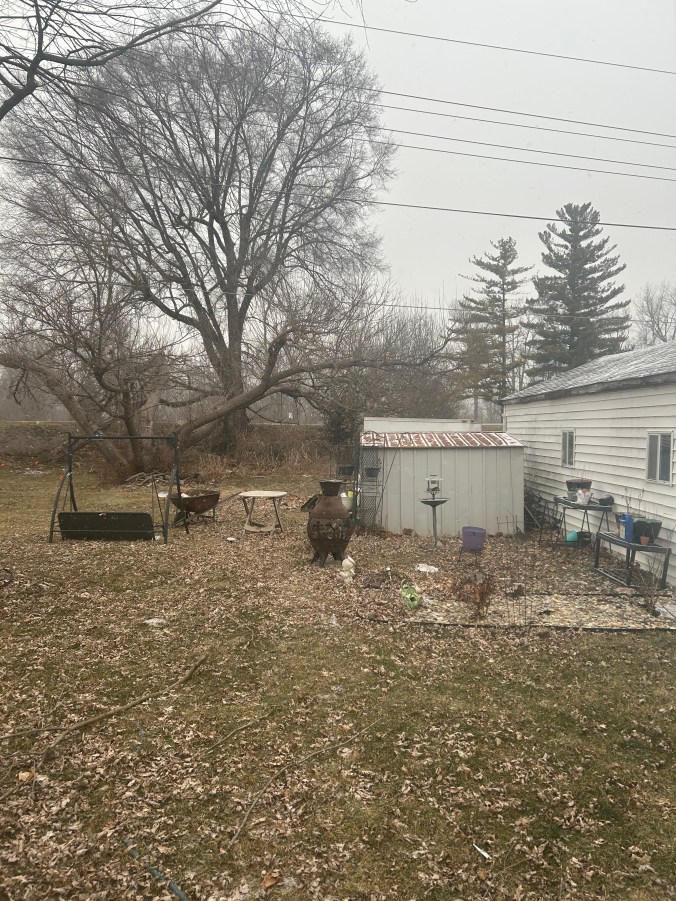
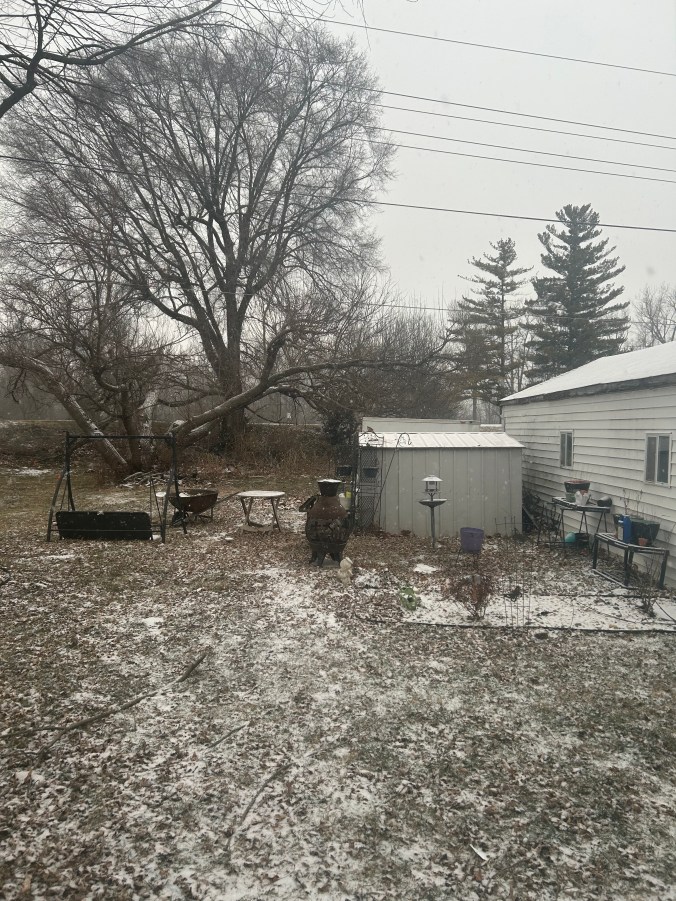
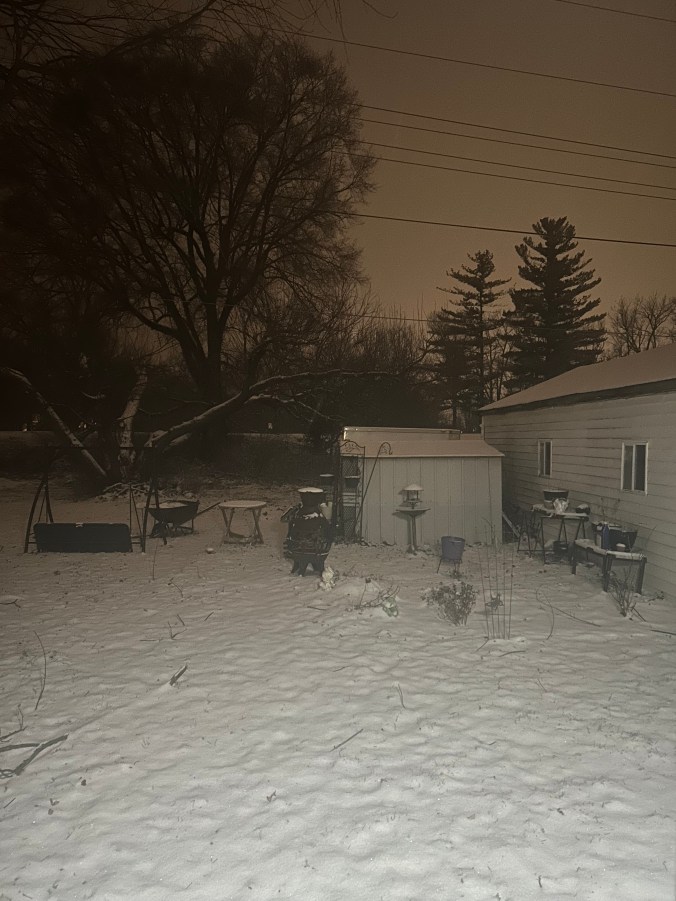
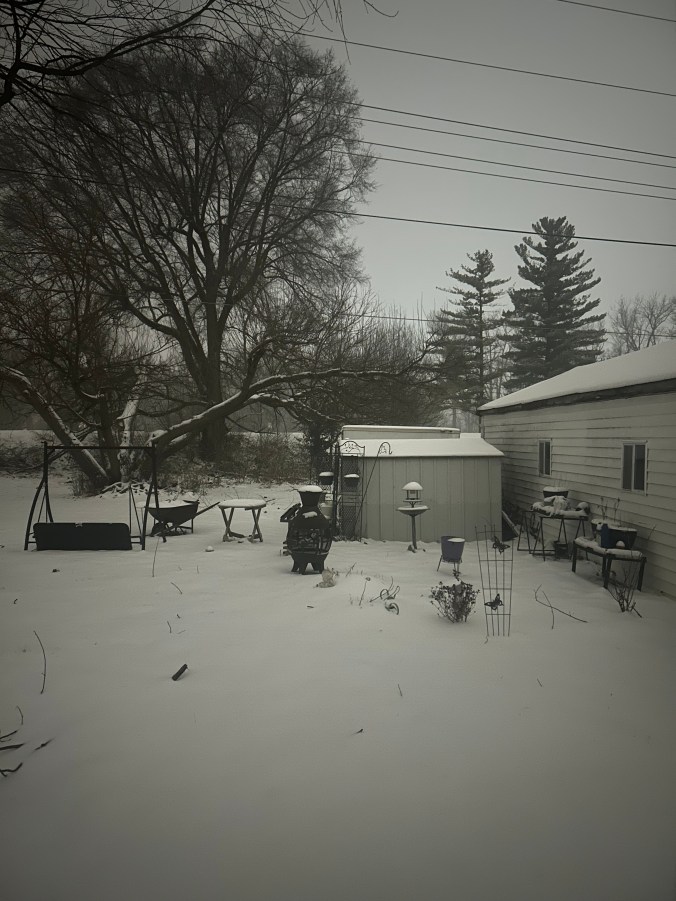
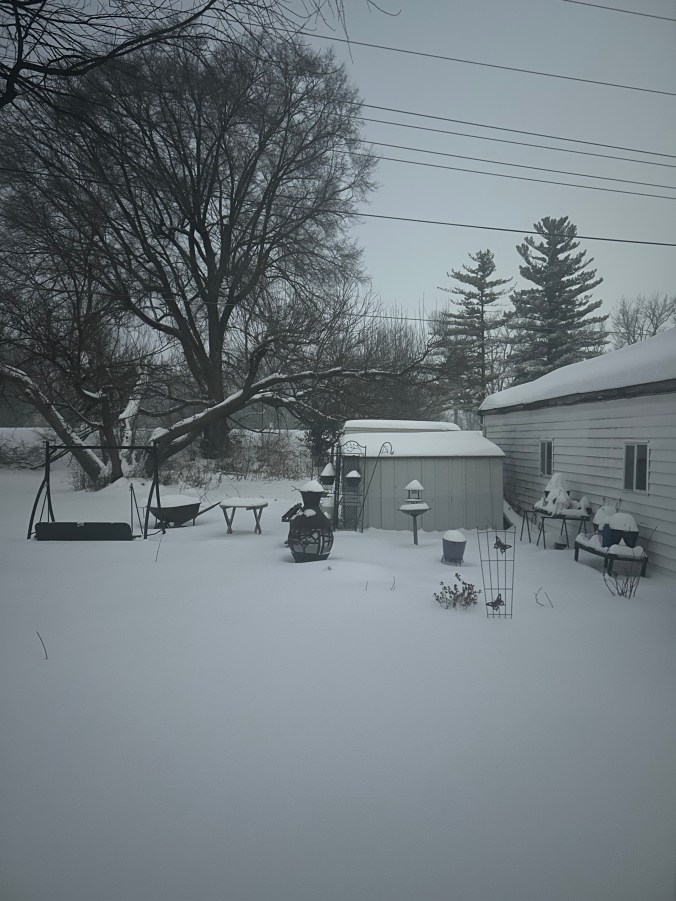
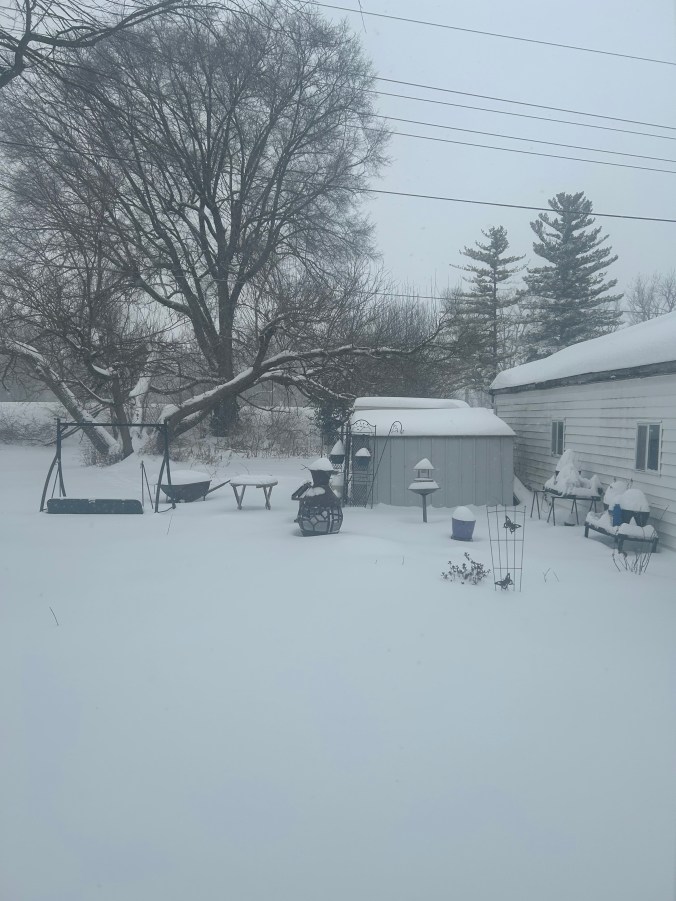
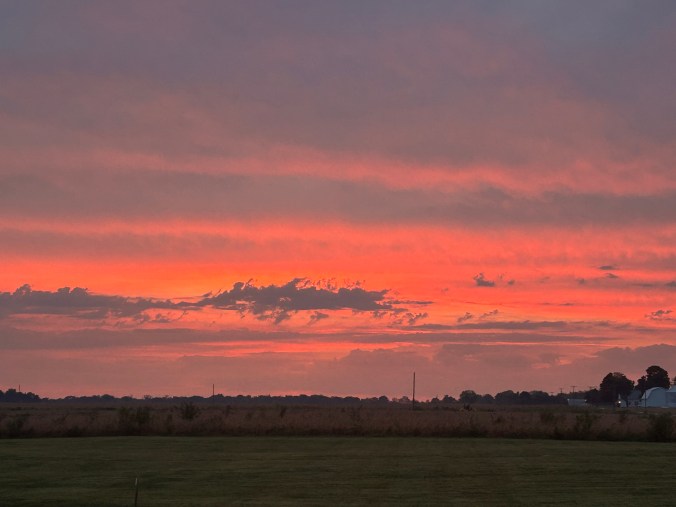
Earth, Sky and Sun gifts us with another beautiful morning
Nature
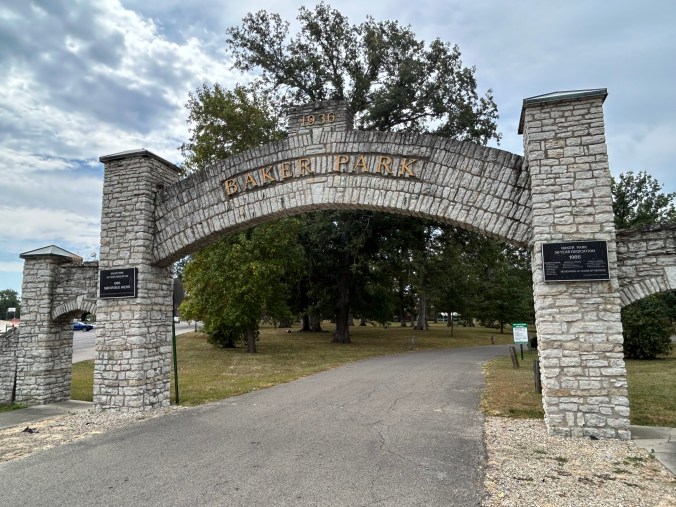
Baker Park in New Castle Indiana
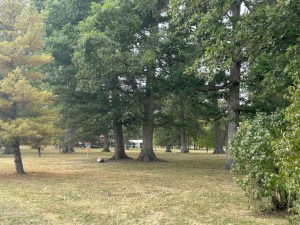
Baker Park in New Castle, Indiana started with 10 acres. Shortly thereafter a 40 acre grove of land was acquired. This beautiful plot was the last remaining natural woodlands within the city limits. Another 30 acres was given to the city by the Chrysler Corporation.

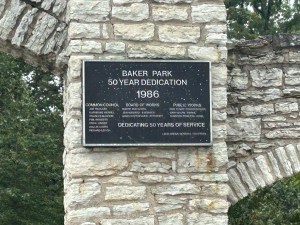
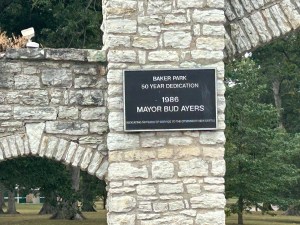
The Main Entrance to Baker Park

Park 50 Year Dedication

Mayors love their names on Plaques
The formal dedication of Baker Park was held on June 20, 1937 and was named in honor of Sidney E. Baker, mayor of New Castle for twelve years. Mayor Baker is now recognized as the driving force behind the development of the park.

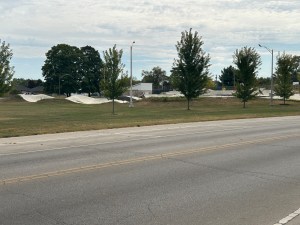
Large Skate Park

Lovely wooded park land
Current facilities at the park provide recreation opportunities for all residents and visitors to the Baker Park. Large and small shelters, restrooms and a stage is available. The swimming pool, kid’s fun park and Frisbee Golf add to the activities. There are also skate parks and horse shoe pits.
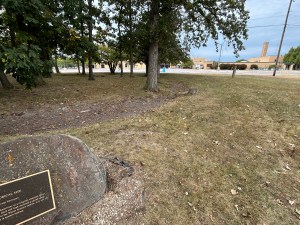
Ancient Hopewell village has remains next to New Castle Indiana High School
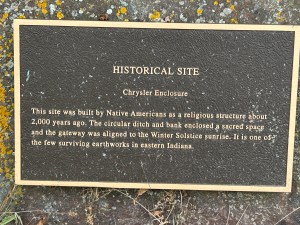
This was once one of the busiest communities in what is now east central Indiana. What has been named the Chrysler Enclosure is the remains of what was once a large Native American community.

Informational plaque at the site

New Castle HS in background
Video below is a panoramic view of the remains of the moat.
What remains visible is a portion of a moat that circled part of a ceremonial mound. This structure was designed as an astronomic feature that yearly lined perfectly with the Winter Solstice.
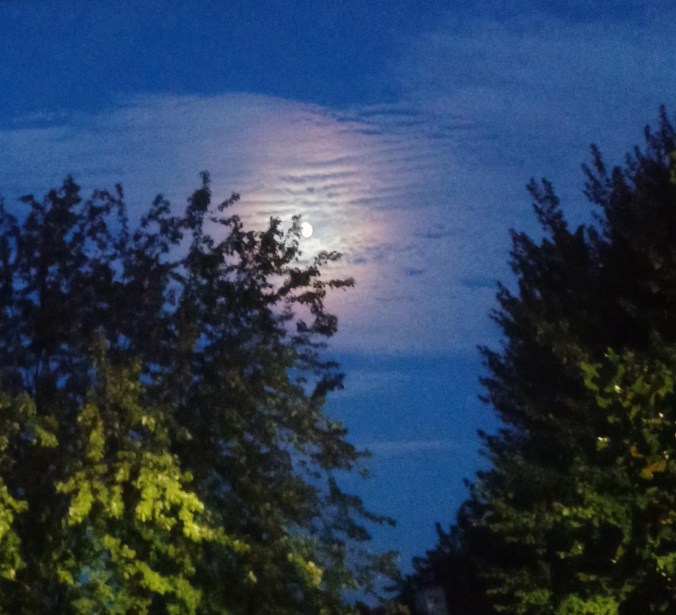
The Moon’s Waxing Gibbous phase out our front door

Sometimes a simple peek out your front door can provide a striking view of the moon lit September sky.
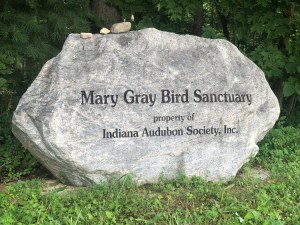
Indiana Audubon Society’s Mary Gray Bird Sanctuary
We had been out picking up some items we had bought at an online auction last Saturday. Sher had already checked for “Things to do in Connersville” and an interesting bird watching place popped up. So after we picked up the items from the auction we had a 25 minute drive through farmland. The auction was north of town, and the birding place was south. It seemed like our destination was truly out in the middle of nowhere.

Easy to spot entrance
The Mary Gray Bird Sanctuary is located south of Connersville in Fayette County, Indiana. Alice Green Gray gave the initial 264 acre property to the Indiana Audubon Society in 1943 as a living memorial to her daughter Mary, who preceded her in death. Another Gray relative and Society members have made possible the acquisition of more property so that the Sanctuary now has 723 acres.
The road into the sanctuary grounds is a fairly long drive which immediately puts you in the middle of a semi dense woods. It truly allows you to prepare for atonement with Nature.
It was extremely hot that day. In fact an official weather service Heat Advisory was in effect. It became apparent as soon as we got out of the car that it was going to be a very unpleasant day to successfully do any birdwatching. In addition to the heat, a plethora of insects was present and quite annoying buzzing around.

Bench seating at the amphitheater
We will definitely return when the conditions are much more conducive to for a comfortable and safe bird watching adventure. There are many features within this sanctuary. There is a bird watching blind where you can observe the many stocked feeders and not be seen. Ponds and native trees provide a perfect chance to immerse yourself in communing with Earth. Click here for the MGBS website.
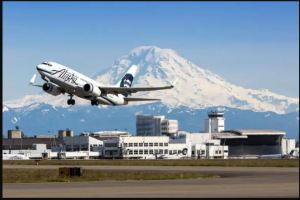
Mt. Rainier, a defining symbol of the Pacific Northwest
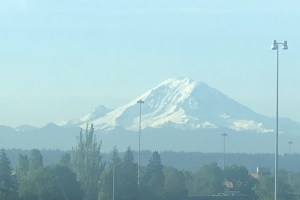
It is sixty miles from Seattle, closer yet to Tacoma and is the prominent feature on the horizon of this part of the State of Washington. Mount Rainier, also known as Tahoma, is an active volcano in the Cascade Range.

I took this pic from the highway near SeaTac Airport
Mt. Rainier is believed to have had some minor eruptions between 1820 and 1854, but these might have been merely rockslides or ash and pumice falls. Geologists think the most recent major eruption was in 1450 AD/CE.

Another view of Mt. Rainer (courtesy Alaska Airlines)
Mt. Rainier is 14,400 feet high and is is the most glaciated peak in the contiguous lower 48. The threat of eruptions is real, and evacuation drills are in place for the immediate vicinity. The biggest threat is from lahars, volcanic mudflows that form when the glaciers melt. These volcano spawned mud slides destroy anything in their path.
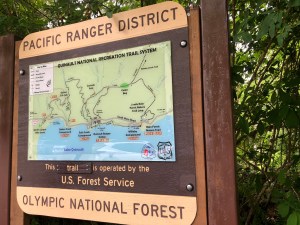
A portion of the Quinault National Recreation Trail System
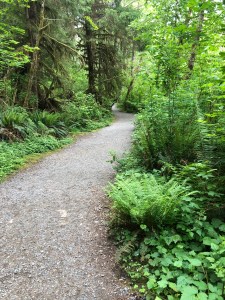
Part of the Olympic National Forest includes some interesting hiking trails designated the Quinault National Recreation Trail System. We turned off of Highway 101 and hit the South Shore Drive near Lake Quinault. We came across this information sign and decided to stop.


Easy walking on the gravel trail

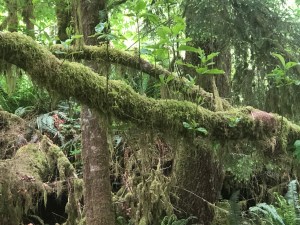
The look of a Pacific Northwest rain forest

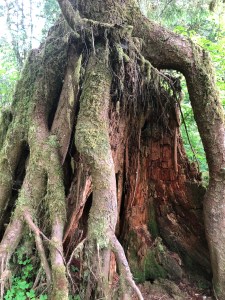
New growth on top of a very old stump

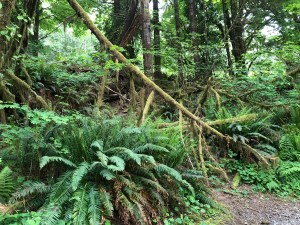
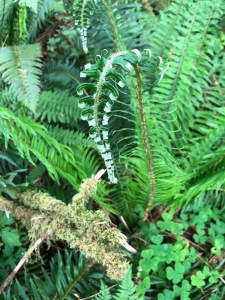
Ferns and other ground cover

Delicately curled fern leaves
The forest on the portion of the trail we walked was tagged a rain forest and had some amazing vegetation. The trail itself was an easy to traverse with a firm gravel base. We spent a good hour on this section of the trail appreciating the thick dense foliage including massive trees and delicate leaves. “Nature at its awesome best” is a perfect description of this Forest.
Hurricane Ridge Road in the heart of Olympic National Park
Part of our recent road trip with our Seattle family took us into the heart of the Olympic National Park on a very mountainous road. Hurricane Ridge Road has a steep 7% grade, is windy with scary sheer drop offs and even has tunnels. Care is required when driving to the top of the Olympic Mountains.

Hurricane Road View

Hurricane Road View

Olympic National Park

Olympic National Park
There are several turnoffs along the way where you can stop , park and take in the striking scenery of the Washington State Olympic Peninsula. The skies were partly cloudy on the day we took the drive. A misty fog was rolling up several of the valleys adding an almost surreal feel to the landscape.

Hurricane Road View

Top of road, parking area

Beautiful scenery, Olympic Mountains
The top, or highest part of the road, was very cold and quite windy. We parked at the large parking area. As soon as I got out of the car I knew I was not dressed warmly enough for the mountain top environment. There were two large modular restroom trailers, both heated. You have to drive the road to really appreciate the magnificent vistas. Pictures do not do the land justice.
Washington State Ferry between Kingston and Edmonds
The Washington State Ferry System operates across the Puget Sound and the Salish Sea using 20 different terminals. These terminals are ports for the largest ferry system in the United States. Some of the ferries take vehicles, some are for foot travel only.

Waiting in line to get to the terminal

Ferry is approaching the dock, back left
During our recent road trip with family we traveled extensively on the Olympia Peninsula in the western part of the state. We reached the port of Kingston and prepared to take one of the vehicle ferries on a 30 minute trip across Puget Sound to the port of Edmonds.

We were the first car to board the ferry

Lots of seating in the passenger lounge on the upper deck
We had a two hour wait to board the ferry at Kingston. It seemed like the wait on the road was not long, and we were actually first in line to board as we wanted easy elevator access to the passenger lounge.

This is the second ferry that runs the Kingston/Edmonds route

Downtown Seattle, 27 miles off, Space Needle far right
The rather short voyage was interesting. The scenery was something to see, not what landlocked Hoosiers are used to, that’s for sure. The Seattle skyline on the horizon was impressive, with the well recognized outline of the Space Needle visible 27 miles from our vantage point in the middle of Puget Sound.
Massive amounts of driftwood logs on Washington’s Olympic National Park’s Ruby Beach
Sher and I recently visited family in the Seattle area. We all took a two day road trip to the Olympic Peninsula and other places. The natural beauty of this far north western part of the state provided one eye opening scene after another.

Driftwood logs on the shoreline

Driftwood logs, sea stacks in left background
Washington State Olympic National Park is on the Pacific coast in the north part of the state. This national park has stunning scenery and beautiful coastlines. Highway 101 follows this coast and near the north end of the park it runs next to Ruby Beach. Dramatic “sea stacks”, rocks remaining after ocean weathering are visible from the shore.

Islands in the background off shore

People enjoying the beach, small islands almost gone background
Ruby Beach is home to an unbelievable amount of huge driftwood logs. Tidal currents have for centuries been responsible for the migration up and down the coastline of the driftwood logs. Many of these weather worn logs have no doubt been on different parts of the beach over the decades.