Honoring a hometown basketball legend’s history

William “Bill” Leon Garrett was a basketball player, coach, educator, and a college administrator who is best known as the first African American to regularly play on a Big Ten Conference (Indiana University) varsity basketball team. His image, in his college basketball uniform, is proudly displayed on the Shelbyville Cagney’s Pizza King.

2024 mural of Garrett in his Big Ten IU uniform
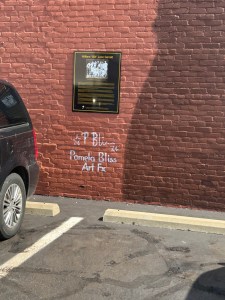
Mural artist signature and information plaque


Shelbyville, Indiana, however remembers Bill Garrett as a member of the Golden Bears High School basketball team. That team won the State Basketball Championship in 1947, a feat yet to be repeated.
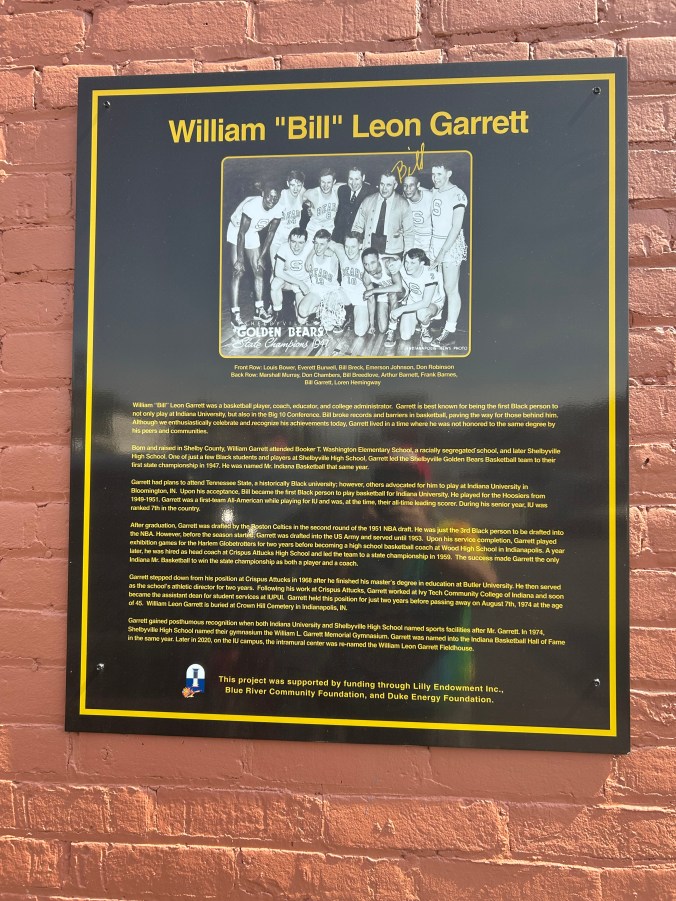
Details about the life and accomplishments of Bill Garrett

Garrett was drafted by the NBA Boston Celtics after college, but was at the same time drafted by the US Army for a two year stint during the Korean War. After he left the Army he was a Harlem Globetrotter for a while.
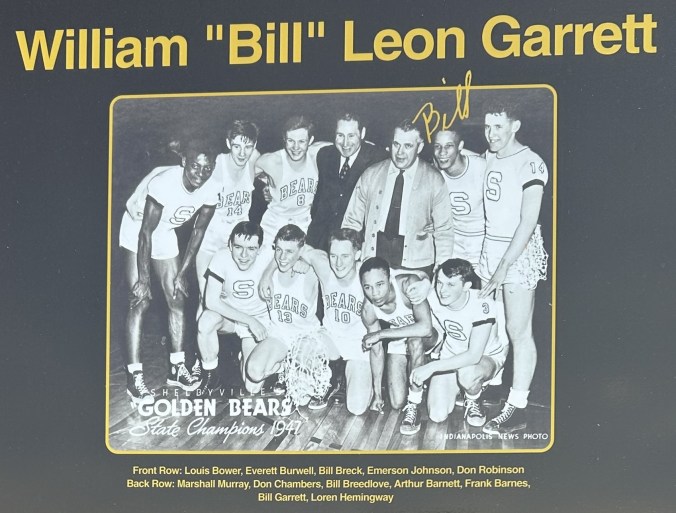
Photo of one of Shelbyville’s proudest moments

Garrett also had a highly successful career as the High School b-ball coach at Crispus Attucks in Indianapolis. He later became active in the administration of IUPUI Indianapolis.  Both the Shelbyville HS Field House and the intermural fieldhouse at Indiana University are named after Bill Garett.
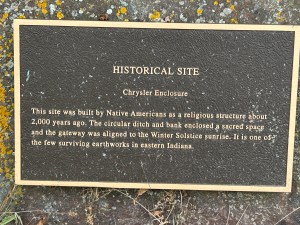
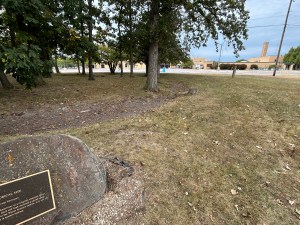
Ancient Hopewell village has remains next to New Castle Indiana High School

This was once one of the busiest communities in what is now east central Indiana. What has been named the Chrysler Enclosure is the remains of what was once a large Native American community.

Informational plaque at the site

New Castle HS in background


Video below is a panoramic view of the remains of the moat.

What remains visible is a portion of a moat that circled part of a ceremonial mound. This structure was designed as an astronomic feature that yearly lined perfectly with the Winter Solstice.

Connersville Indiana city cemetery contains interesting markers

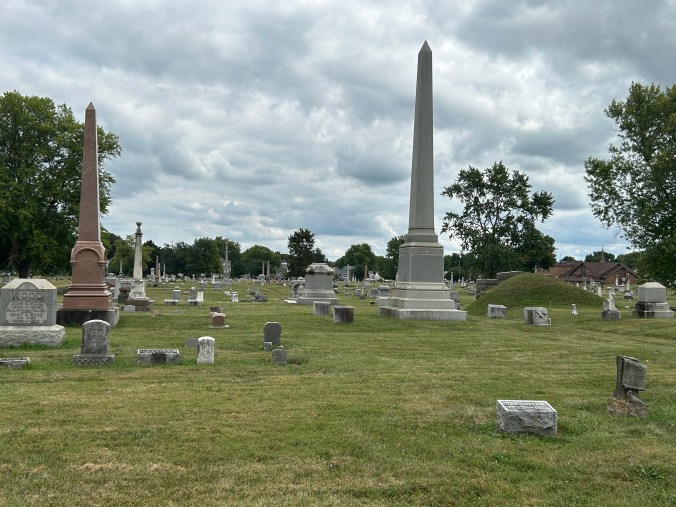
The City of Connersville’s City Cemetery contains many historic names etched in the stone of the many grave monuments. The remains in two previous city burial grounds were moved to the 14 acre location in 1851. The cemetery was dedicated in a sacred ceremony in that year.

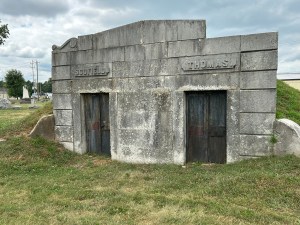
View across the grounds. The mound is the top of a mausoleum.

The only mausoleum was empty.. The reason is still a mystery.

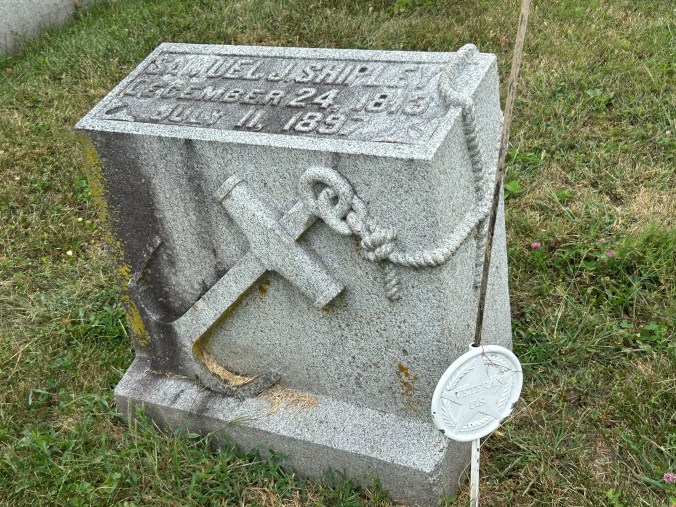
Lt Samuel Shipley was a member of the first graduating class of the US Naval academy. He served as a shipboard  officer in the Civil War.

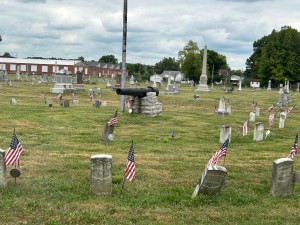
The “Soldier’s Circle” honoring the Civil War Vets

There are many interesting monuments in the cemetery. Politicians, businessmen and their families and other folks have made the Connersville City Cemetery their final resting place. The grounds have been designated as a local historic district, and guided tours are offered by Historic Connersville, Inc.

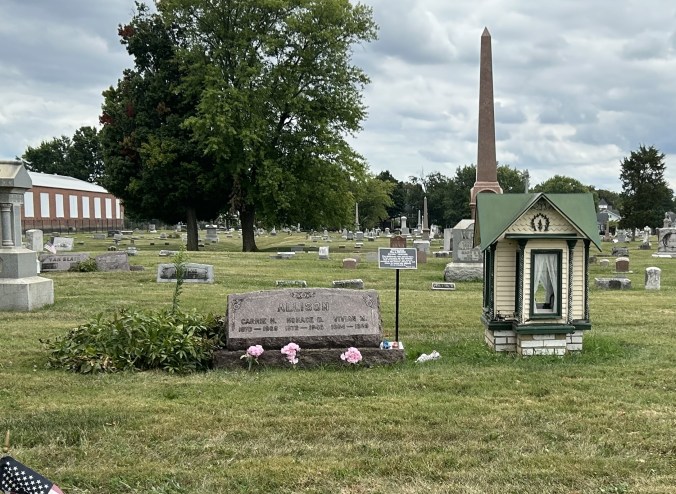
Doll House grave of Vivian May Allison 1884 – 1889

Connersville is a small town in eastern Indiana with a long Hoosier history. Part of the interesting history includes a very unique grave in the City Cemetery. It is now known as the Doll House Grave.

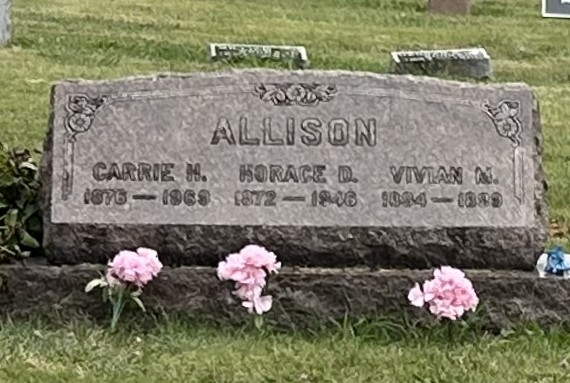
The Allison Family Grave


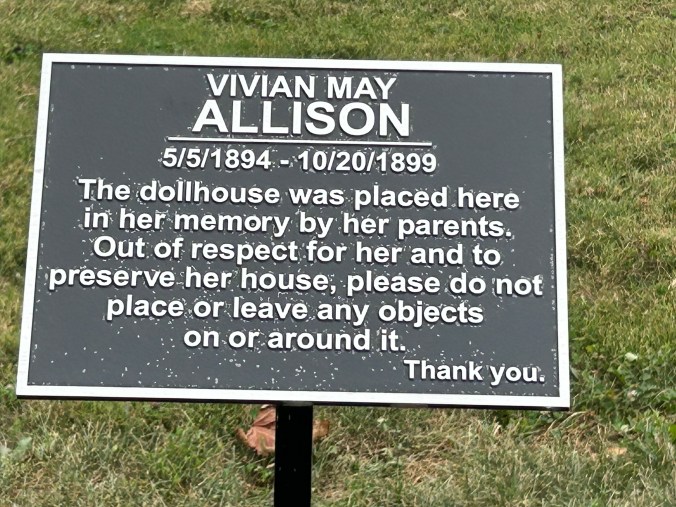
Public information signage

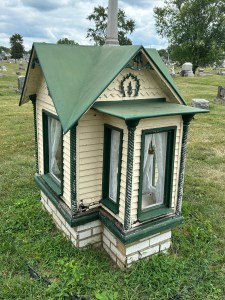
Vivian’s beautiful doll house

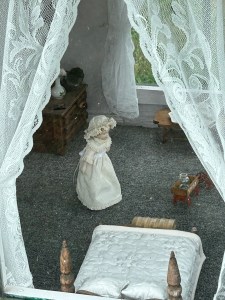
Interior view


Family Headstone

Vivian May Allison was born in 1884. She was taken with a fatal spine disease, cerebro-spinal-fever, and tragically died in 1889 at age 5. The story goes that she wanted a doll house for playtime, but she died before her father could complete it.  Finished, it now is part of the family plot, there for Vivian’s use.

Indiana Candlelight House built in 1868 now home to ghosts

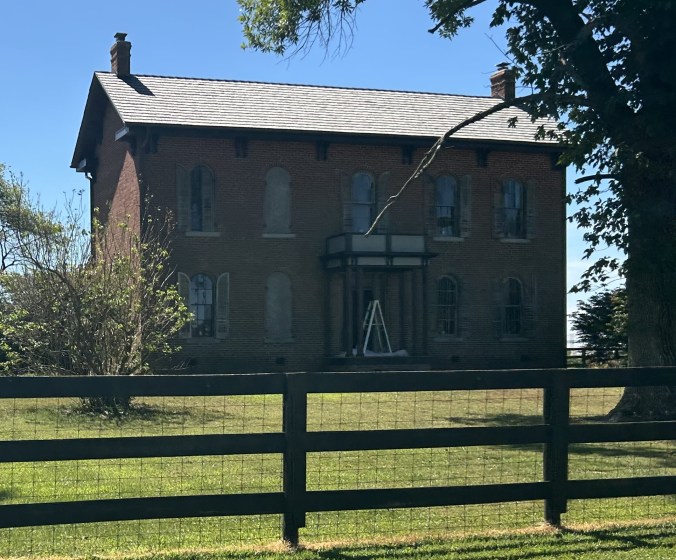
Located in Johnson County, Indiana, east of the modern I-65 interstate highway is a stately two story brick home commonly referred to by the name Candlelight House. In olden days the  many windows facing the road were said to have been often lit with candles.

Photo we took from the road, work in progress on the new porch.

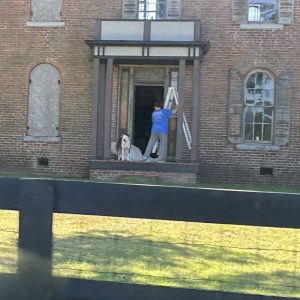
Working on the new portico/porch

The owners of the house are currently working on the restoration of the house. The day we drove by a new porch was being installed. This structure was surprisingly made of structural steel, not like the original wood portico that is long gone.

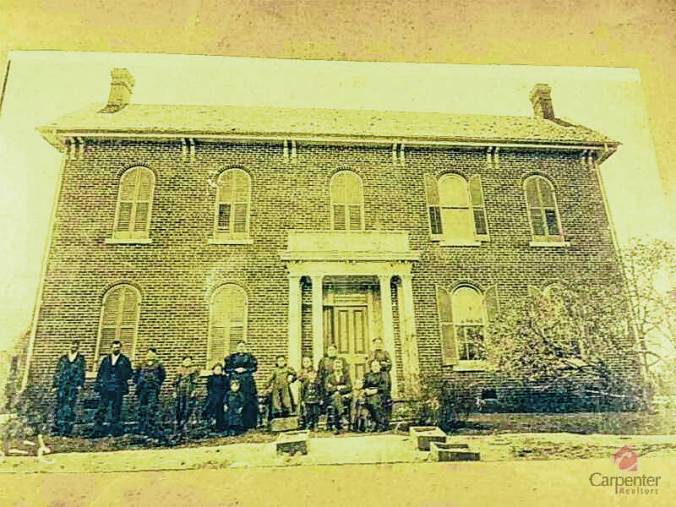
Unknown date, unidentified people. Photo from Franklin Daily Journal files

Since the house was built three generations of the same family have lived in the house. The only son of the third generation, named Otho Henry Pritchard, died in the house in 1995. According to many accounts Otho still walks the rooms of the house, even writing his name with his finger on windows. There have been paranormal investigations at the house.

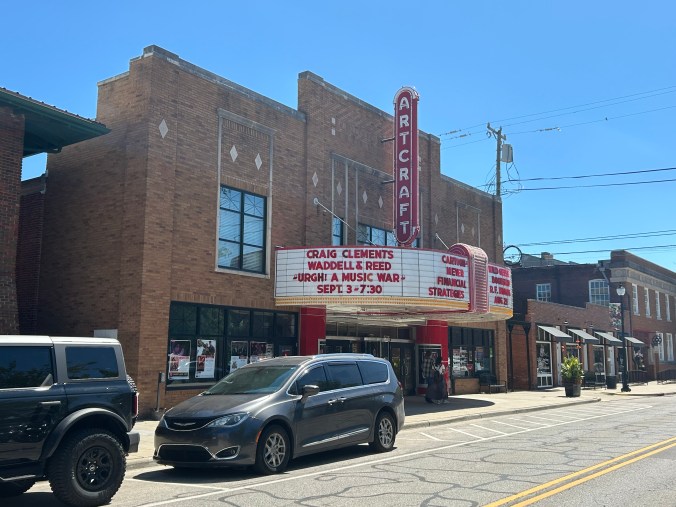
The Artcraft Theatre, entertaining patrons since 1922

November 1922 witnessed the opening of the Artcraft Theatre in Franklin, Indiana. It was first utilized for vaudeville shows. The theater was also the first in town to show silent movies, which it did from 1922 until 1929. The orchestra pit was perfect for the musician(s) accompanying the silent movies.

The Artcraft Theatre exterior

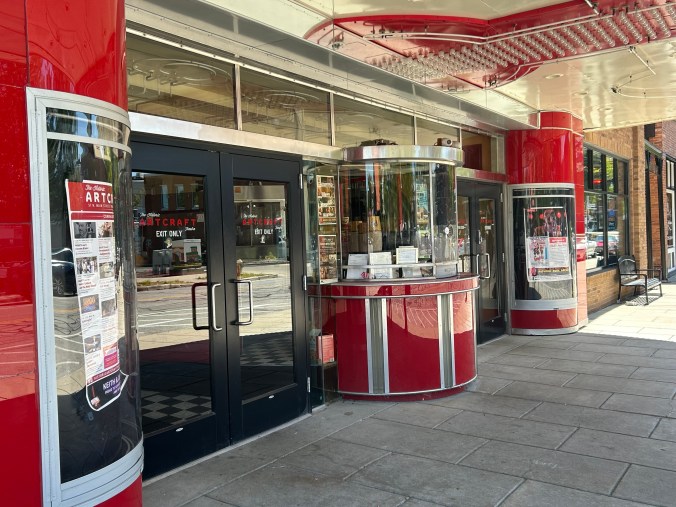
Restored ticket booth and theater entrance/exit doors

The Artcraft operated as a venue for first-run movie showings for 78 continuous years before closing in 2000 after the development of multi screen theater complexes drastically reduced patron business.

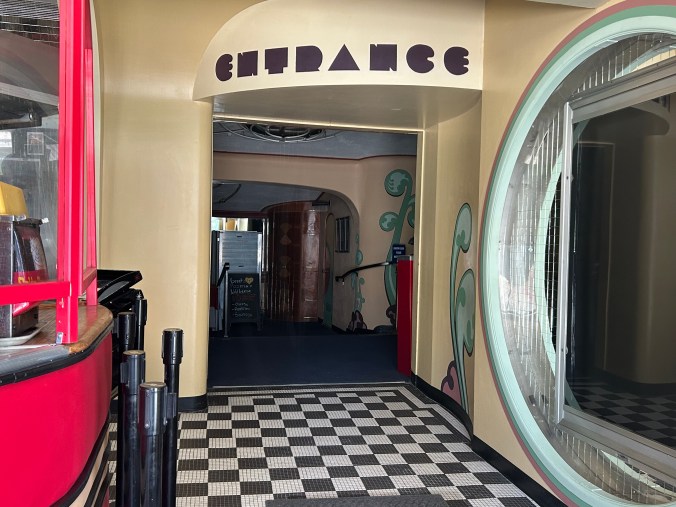
Through the front doors, looking towards the lobby

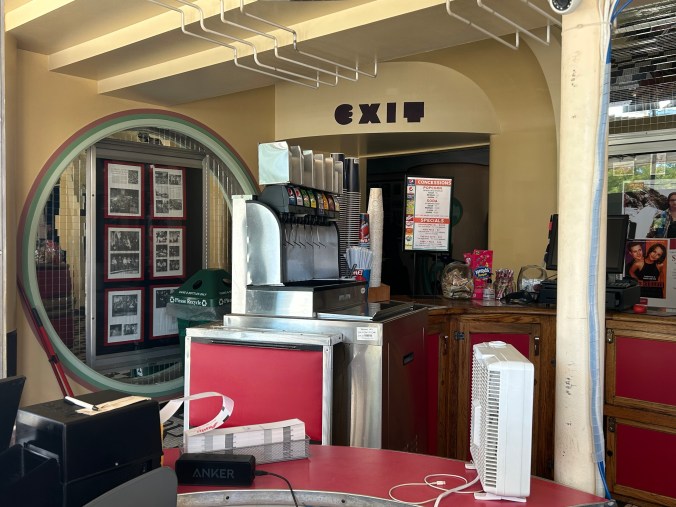
Concession stand and exit aisle

Over the years the theater saw many changes and improvements including a 1929 sound system for “talkies”. Franklin’s first ever air- conditioning “swamp box system” was installed in 1935. The first marquee was erected in the 1940’s.

We want to come back when it is open to see the whole theater.

A local historic preservation group, Franklin Heritage, Inc. bought the theater in 2001. Restoration work began immediately to save the building from condemnation. Currently the theater regularly offers showings of classic movies. The Historic Artcraft Theatre website has information about events and shows. (It lists the times for senior citizen free movies!)

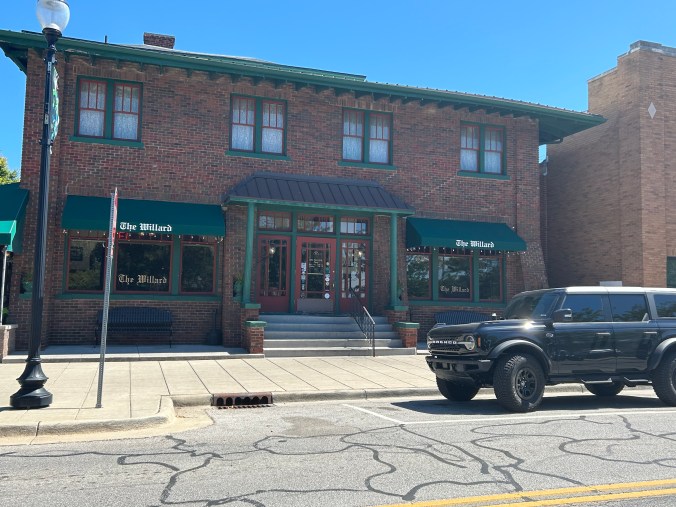
Historic hotel now a favorite local restaurant

Sunday was a great day for an unplanned day trip to Franklin, Indiana. There was perfect weather for seeing things in the area and we ended up at a local historic site and restaurant.

The popular local eatery

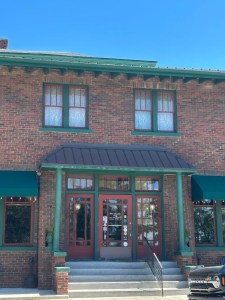
The entrance

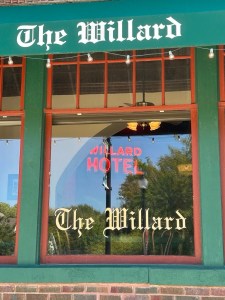
The old hotel light visible


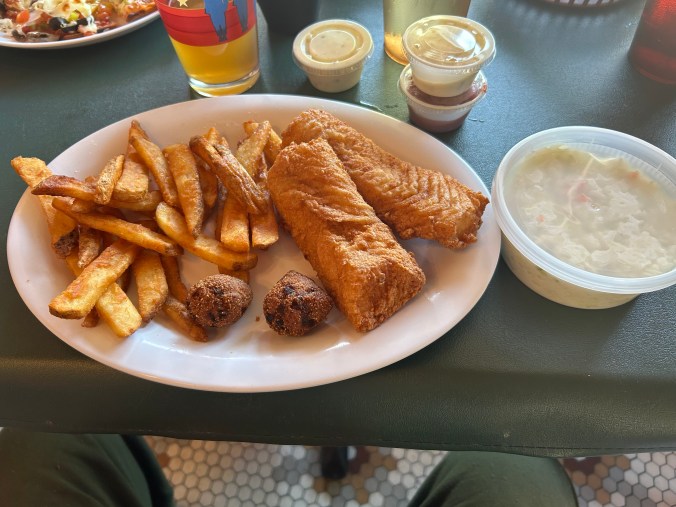
The Willard Hotel was once an active hotel and now The Willard is a very popular restaurant with both outside seating and indoor dining areas. We really enjoyed our very tasty meals. Our son had pretzel breadsticks, fries and a coke. Sher had a custom made veggie pizza and I had the fried fish platter. We both enjoyed Blue Moon on tap. Our waiter Steven took excellent care of us, making sure we had everything we needed for an enjoyable dining experience.

Two piece cod platter with fries, hush puppies and slaw

Custom made veggie pizza

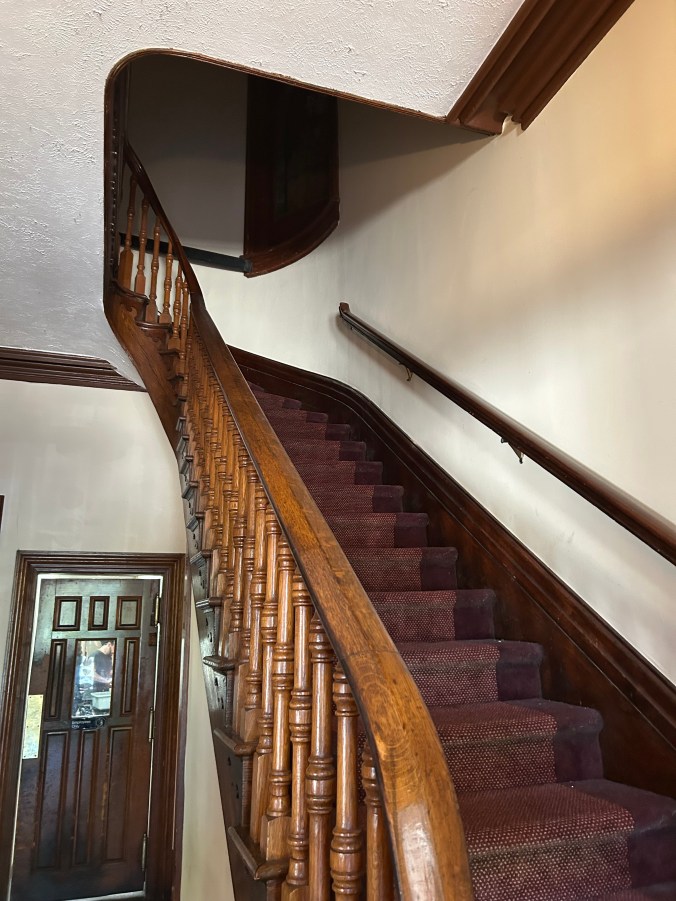
Curved stairway leading to now closed second floor of the hotel

The brick house of the Willard was originally built in 1860 by the daughter of one of the town’s founders. Over the years the hotel saw quite a history and the legends of hauntings continue to this day.

Historic 1901 Indiana school suffers extensive damage in 2022 fire

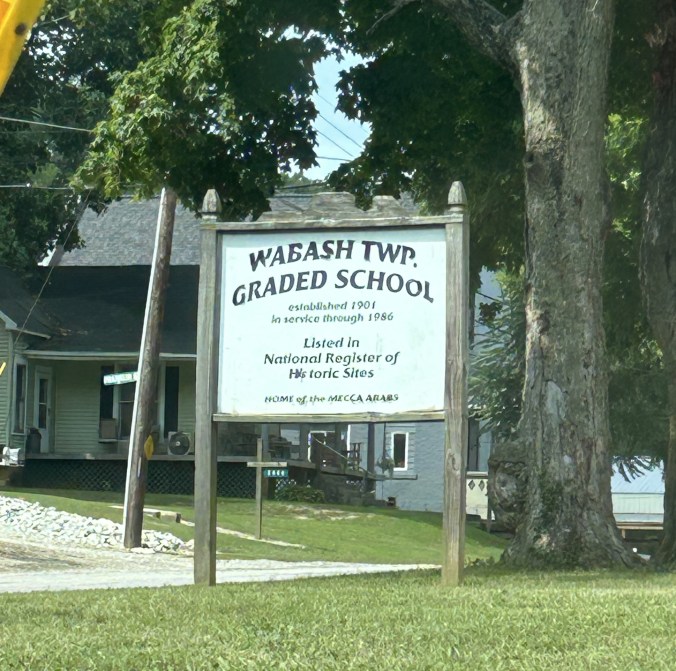
While on a recent day trip to Parke County, Indiana to enjoy the many covered bridges we came across a sad sight.  A large sign explained that we were viewing the Wabash Township Graded School that was open from 1901 until 1986 in the town of Mecca.

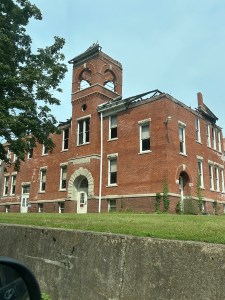
Front face with bell tower

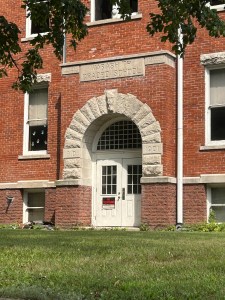
Main Entrance


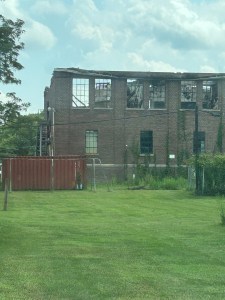
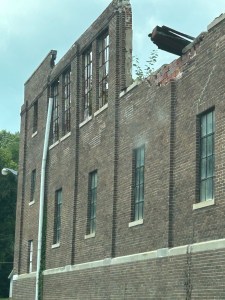
A devastating fire occurred in November, 2022. This fire completely destroyed the pitched roof of the 1901 main building and the flat roof of the gymnasium that was a 1923 addition.  Both roofs collapsed during the fire.

View of gym addition

Gym wall, roof gone


The structure was listed on the  National Register of Historic Sites. Following is from the original application for this listing: The architectural style of the 190l-l9l0 main section of the building shows Richardsonian Romanesque influence, which is evident in the bell tower, rock-faced lintels and voussiot’s, arched doorways and belfry openings…

Sign placed well before the fire

Local references report that sometime after the school closed in 1986 the structure was used as a community center. The fire damage that is visible is quite extensive. Rebuilding would be very costly, if not cost prohibitive.

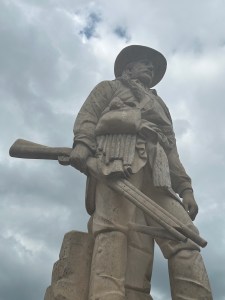
John Conner founded Connersville, Indiana in 1813

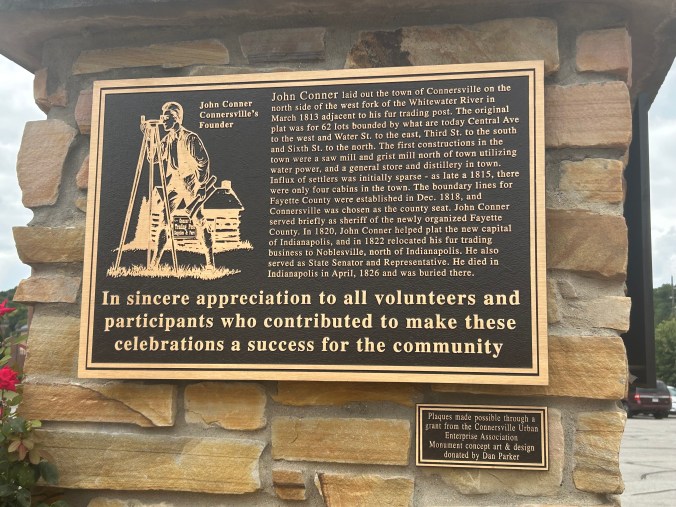
John Conner founded Connersville, Indiana, when he laid out the town in March of 1813.  The town was laid out next to Connor’s  fur trading post on the Whitewater River. Conner was an important person in Indiana’s history, as he surveyed many towns and villages, including the layout of the then young city of Indianapolis.


Connersville has lots of history and historic sites to explore. We’ve just started our dive into Connersville!

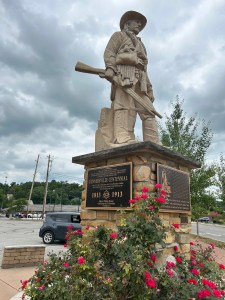
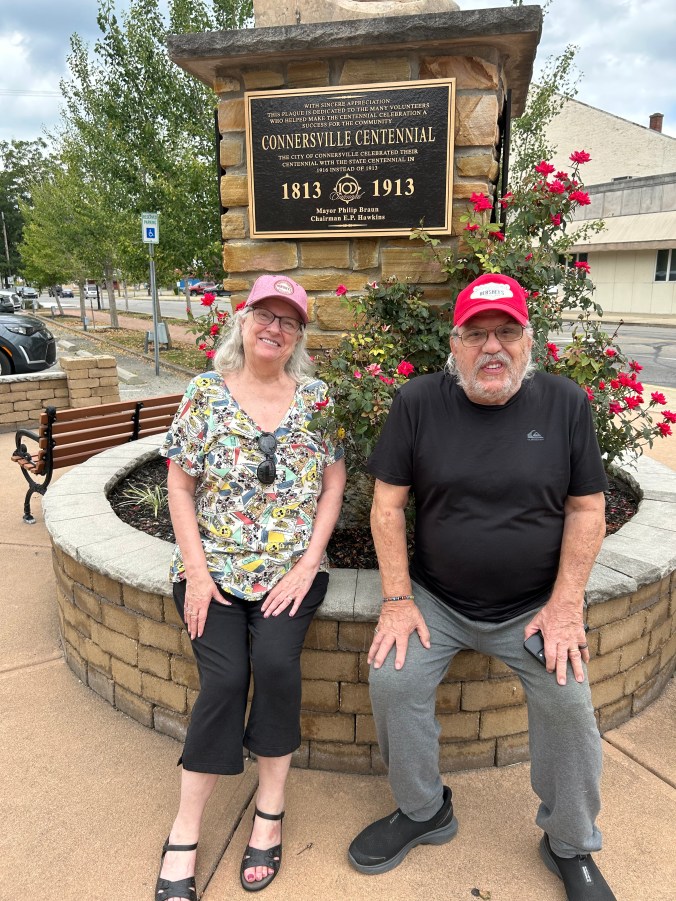
The City of Connersville placed a memorial statue of Connor on a corner of the Fayette County Courthouse parking lot in 2017. Plaques listing Connersville’s history adorn the four sides of the statue’s large base.